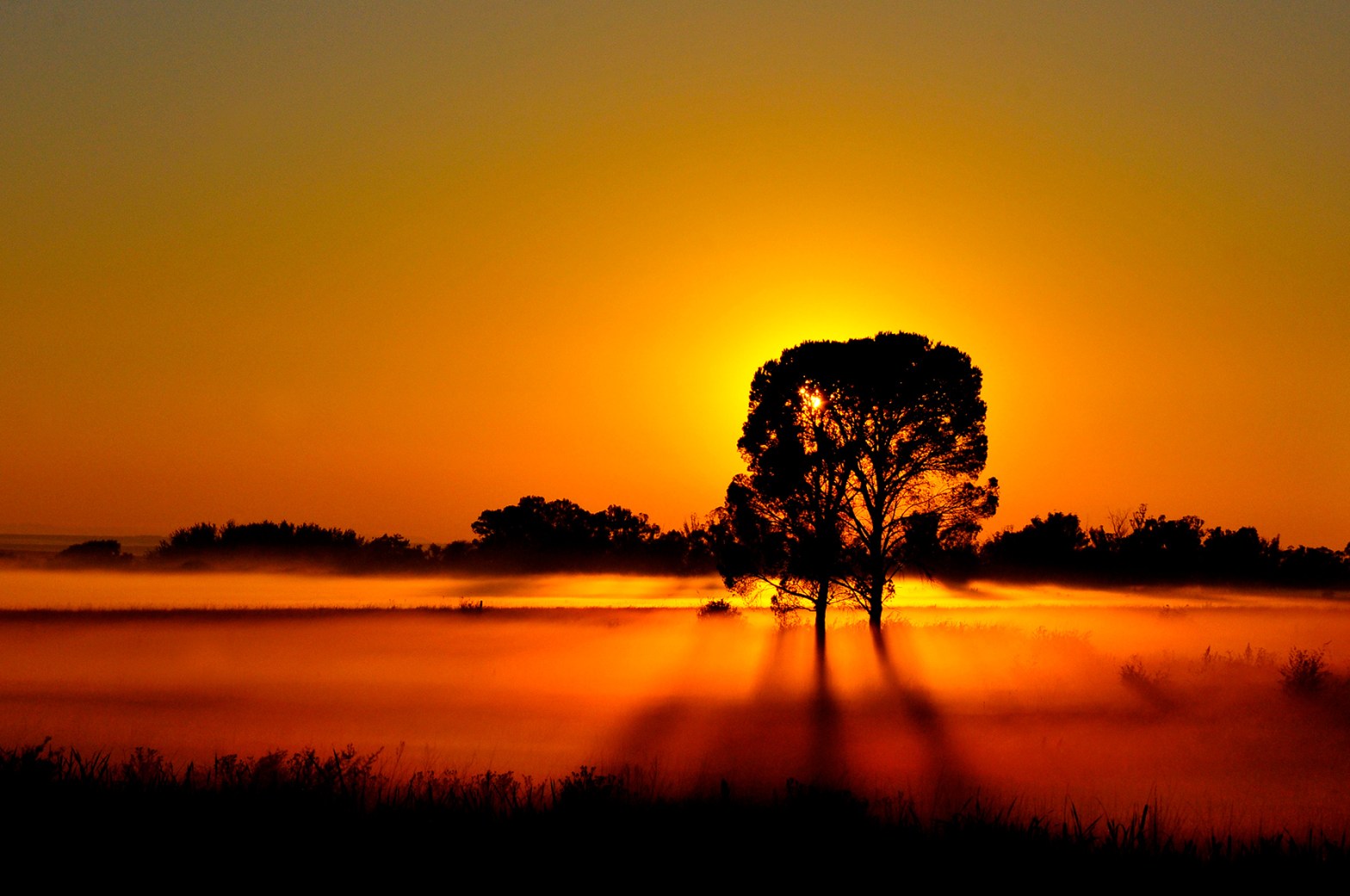
All types of photography rely on solid composition to deliver a compelling image. Photographers must learn about composition because composition is a part of photography that each photographer must personally discover.
Composition is subjective, and there will be some steep learning curves. Views differ on the best composition approaches to landscape photography, and composition is a personal preference where opinions on what works and does not work are often debated.
Table of Contents
- Tell a Story Through Your Photographs
- Make The Subject of Your Photograph Identifiable
- Scout The Area For The Best Possible Composition
- Be Patient, Like a Photographic Hunter
- Level Your Photograph Before Releasing The Shutter
- Avoid Placing The Primary Subject in The Centre of The Frame
- Look For Shapes And Curves to Liven up Your Composition
- Balance Composition Through Symmetry
- Fit The Main Subjects in The Frame
- Carefully Frame The Photograph – Avoid Point And Shoot Tactics
- In Conclusion
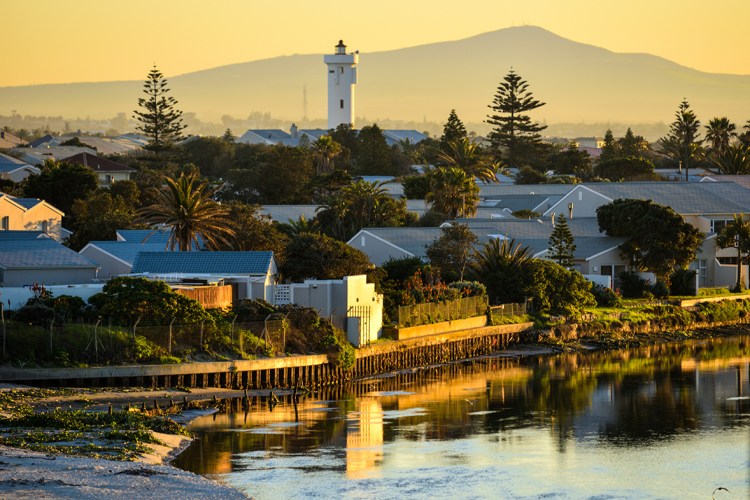
It is no fault of photographers that composition is a complicated topic. You can assign this tension to the subjective nature of our artistic inclinations. It is human nature to debate the artistic merit of an image.
The journey to master photography composition is a journey that challenges our inner thought processes and creative abilities. Basically, a photographer can apply 3 approaches to composition.
1. Follow the rules of composition.
2. Follow your artistic intuition.
3. A mix of both.
The blog post discusses 10 perspectives you may apply to your composition techniques.
Tell a Story Through Your Photographs
Photographs are powerful communication tools. One image can speak a thousand words. Photographs should be intended to convey a message.

- Think storytelling. What emotions can your image spark in the viewer?
- Will your moody landscape take them to a dark place in their minds?
- Will your black-and-white photo make your audience feel nostalgic?
- Does your compositional colour invoke joy?
Pictorial narratives can be a single image or a combination of images. Your image must wow the audience and create a connection that impacts the viewer. Consider what message your image might communicate when working out your composition.
Make The Subject of Your Photograph Identifiable
We can change the headline of this article to “Photographs without a subject are boring, plain, and lifeless.”

A subject in your photo should grab the viewer’s attention. A photograph without an obvious subject will confuse the viewer. You cannot communicate a clear message without a subject. The picture must make sense to enable a successful outcome.
Identifying your primary subject is a vital starting point when composing your photo.
Scout The Area For The Best Possible Composition
Scheduling your location before hitting the field in landscape photography will prepare you better for any situation. You must consider logistics, equipment, weather, and terrain factors. There will always be unknowns when executing your shoot. Scouting out an area will help you plan and avoid pitfalls.
Some landscape photography locations need considerable planning. Think of a situation where your chosen location may be hard to reach, or you have to hike for hours, even days. This will need some planning.
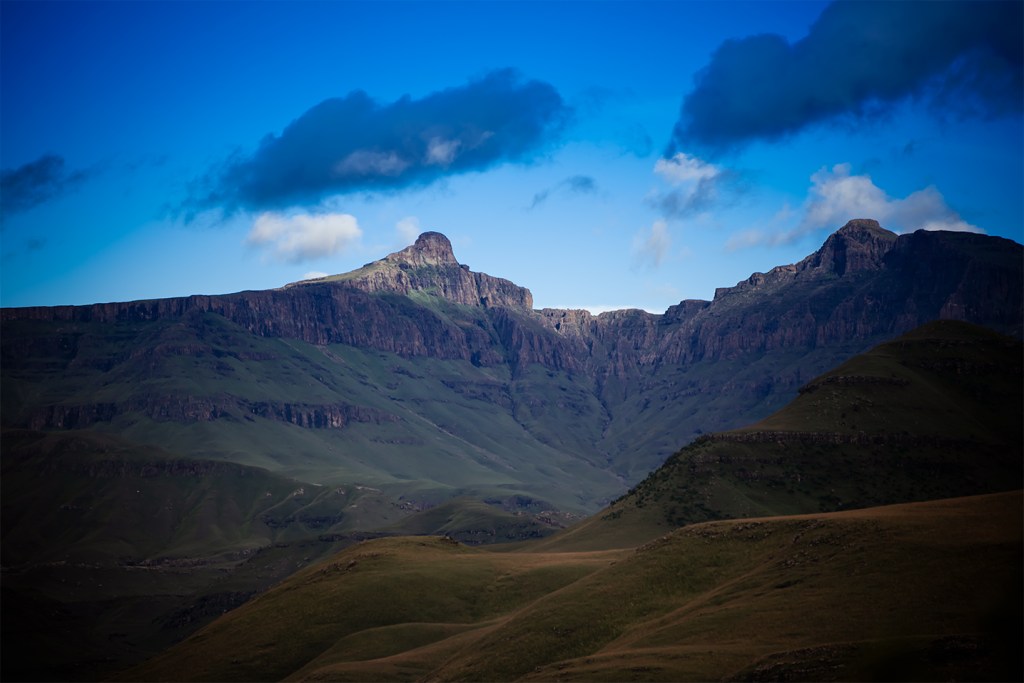
The best time to shoot landscapes is in the golden hours (around sunrise and sunset). If possible, do your scouting before or between these times. Then, consider how you want to capture the scene. Then, think about the photography gear required to achieve your preconceived ideas.
Be Patient, Like a Photographic Hunter
In the city, our lives are rushed. Life is short, and sometimes we suffer from time anxiety. But in nature, life is slow and needs patience. Photographers are like hunters who need to stalk out their prey. A hunter needs patience. A photographer needs patience.
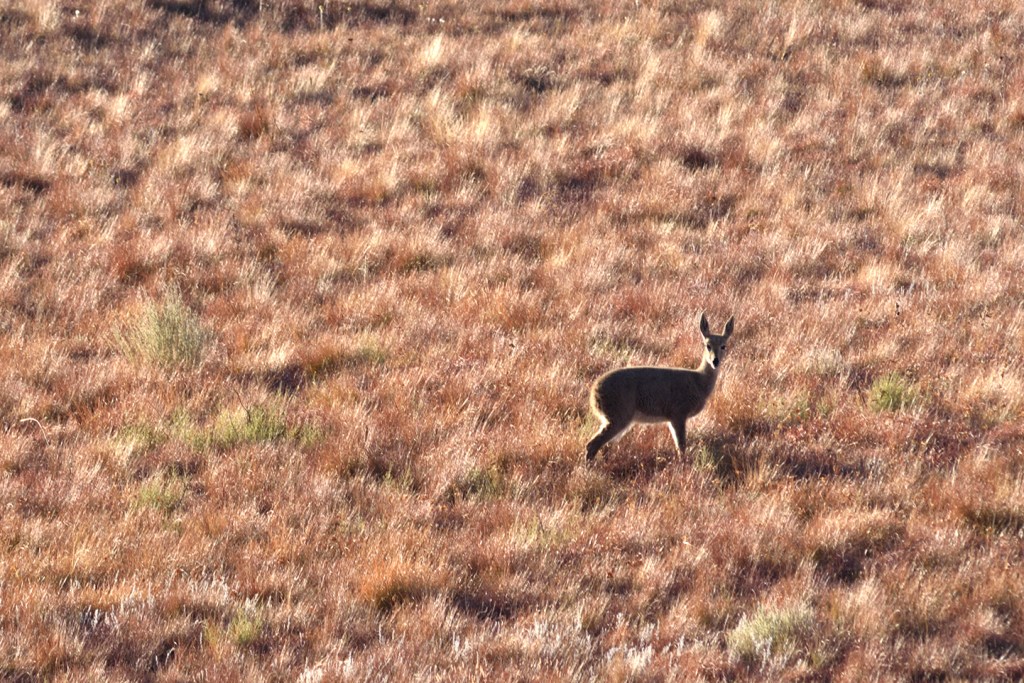
Great compositions sometimes require patience and multiple attempts to get the perfect shot. Learn to approach your landscape photography like a patient hunter and be prepared to make multiple attempts to achieve your landscape masterpiece.
Level Your Photograph Before Releasing The Shutter
Always think about the alignment of your photographic composition. Doing so will save you unnecessary corrections in your post-processing. An example is the post-process cropping of the photo. To achieve the image, it must be cropped. Cropping the image will reduce its size and add to your workflow requirements.
Level off at the time of shooting to avoid this annoying problem.
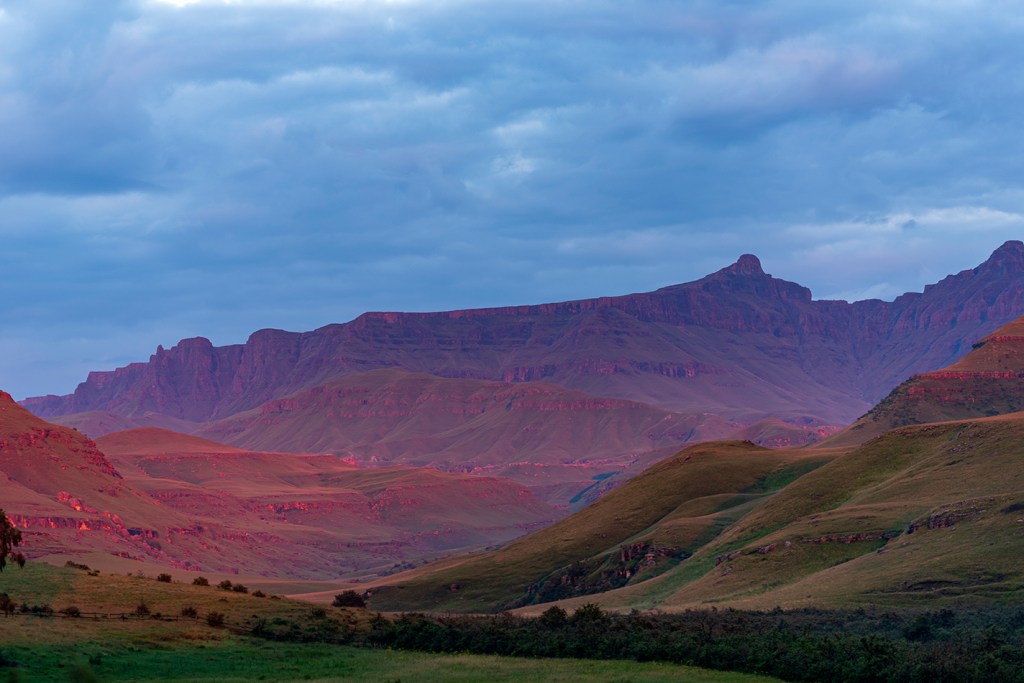
A handy tip is to use the grids in your viewfinder to check alignment when composing your photo.
A tripod would be the best tool to get your camera level and keep it level.
Avoid Placing The Primary Subject in The Centre of The Frame
Photography beginners make the same common mistake. That is, to place the subject of their composition slap-bang in the middle of their frame.

Some compositions work when the subject is in the centre, but placing the subject off-centre brings dynamism to ordinary compositions. The rule of thirds is a reliable guideline for this. Keep this in mind when framing your following composition.
Look For Shapes And Curves to Liven up Your Composition
Shapes and curves are artistic elements that entice the human brain. Look out for the “S” curve in your scene and any exciting shapes in the frame, such as folders, mountains, trees, or other objects. Include these elements in your composition when possible.
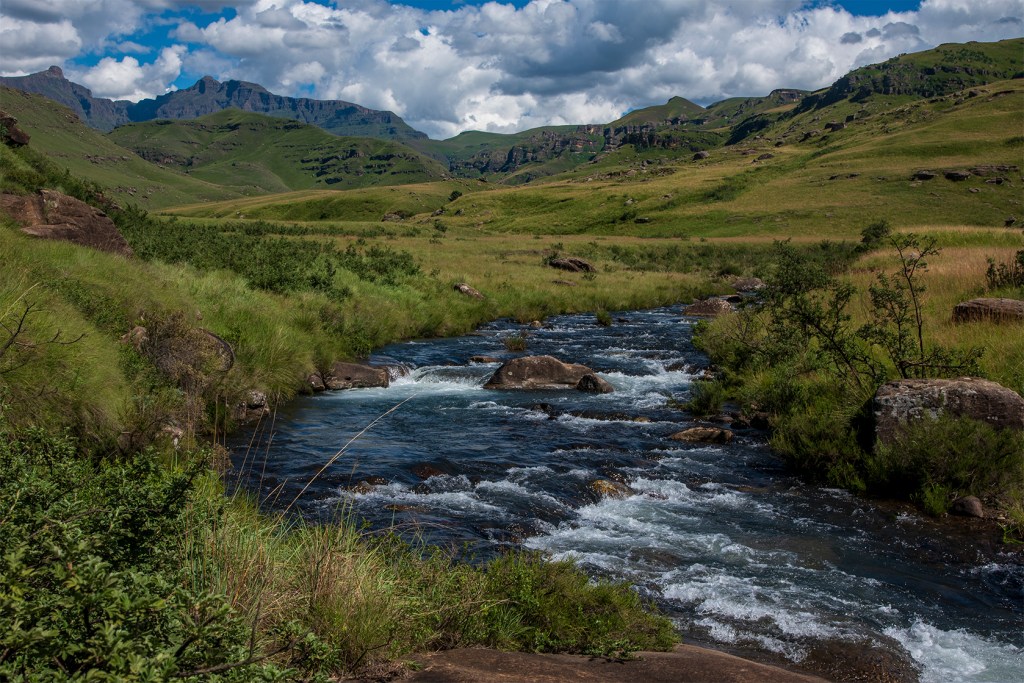
Other shapes to consider are triangles and diagonals. Incorporating triangles and diagonals into your photos creates a sense of dynamic tension.
Balance Composition Through Symmetry
Symmetry is a pleasing aesthetic. Symmetry creates balance in your composition. Water reflections are a typical scenario where symmetry becomes relevant in landscape photography. Try to avoid having unbalanced elements in your composition.

What other types of scenes have symmetry in landscape photography? See if you can find other examples of symmetry in nature.
Fit The Main Subjects in The Frame
This means that you should not have any of your main subjects on the edge of any part of the frame, i.e. don’t have any subject cut at the edges.
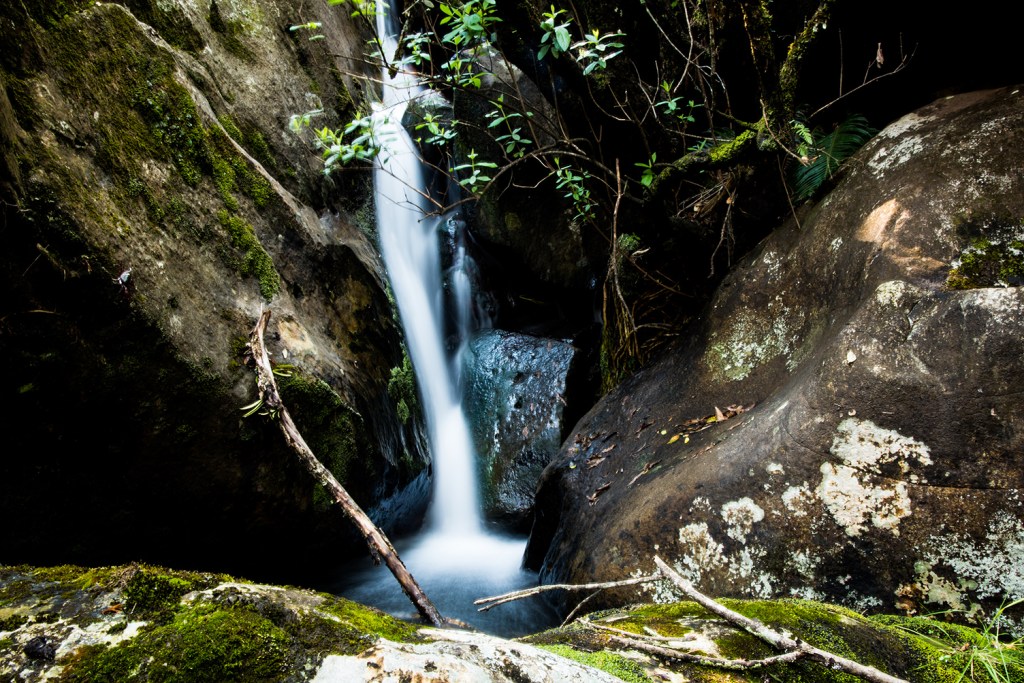
For example, if you have trees, single bushes, or other objects, fit them into the frame or exclude them altogether. Do not cut subjects out of the frame. Cutting the subject out of the frame will lead the eye out of the frame and cause visual distractions.
Carefully Frame The Photograph – Avoid Point And Shoot Tactics
Learn how to frame your shots and think before you press the camera shutter. Many beginners make the mistake of not framing the shot, which results in a stack of useless images. Instead, think about framing more before squeezing the trigger.
Before pressing the shutter release, ask whether your framing composition aligns with your overall communication idea. This will prevent you from ending up with a camera roll of low-quality images that clog up your digital storage and slow your workflow.
In Conclusion
I hope that next time you set out to capture your landscape masterpiece, you consider the above-mentioned approaches to your compositional planning. This article is not a comprehensive list of guidelines for composition, but starting with these few tips will help clarify your composition.
As a result, your photographs will increase their impact on your audience.
So, as always, happy landscape shooting.
Till next time.

Copyright@Crowpixmedia. All Rights Reserved 2026.
 Crowpix Media
7 thoughts on “10 Easy Ways to Improve Your Photographic Composition Techniques”