
Landscape photography is a genre of photography that focuses on capturing images of natural scenery, such as mountains, forests, oceans, and other outdoor landscapes. It is a popular type of photography that allows photographers to capture the beauty of nature and share it with others.
In landscape photography, the photographer must carefully consider the composition, lighting, and exposure settings to create a captivating and visually stunning image. Landscape photography can be a challenging but rewarding genre of photography.
Table of Contents
- Don’t Get Stuck With Horizontals in Landscape Composition
- Be Careful When Using Ultra-Wide Angle Lenses in Landscape Photography
- Keep it Simple Stupid
- Add Depth to The Composition
- Use Tighter Framing in Your Landscape Composition
- Take Advantage of Leading Lines
- Landscape Panoramas Are Awesome
- Step Out of Your Usual Photography Routine
- In Conclusion
Don’t Get Stuck With Horizontals in Landscape Composition
Landscape photography generally captures a broad view of a natural setting or scene, often caught in a horizontal or landscape orientation. This allows for a more comprehensive view of the scene, emphasising the vastness and beauty of the natural setting. Shooting in a horizontal direction can also help create a more balanced and visually pleasing composition, including foreground, middle ground, and background elements.
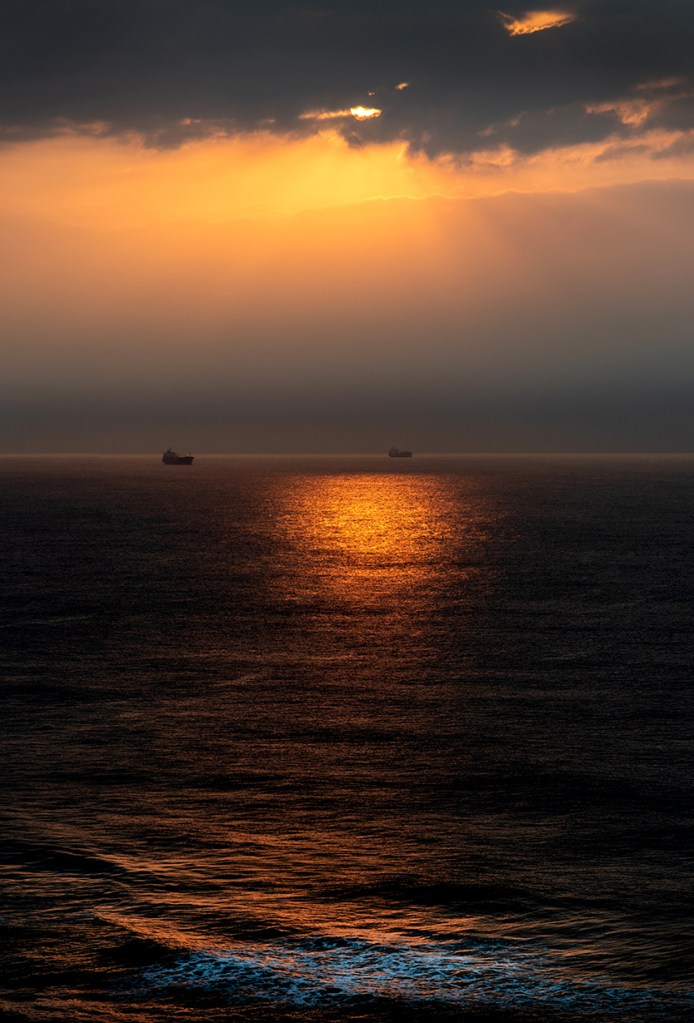
However, it’s important to note that photography can also be captured in a vertical or portrait orientation, depending on the desired aesthetic and composition of the image. Ultimately, the choice of orientation depends on the subject matter, the creative vision of the photographer, and the expected impact and message of the photograph.
Specific compositions are better suited to vertical frames. To be safe, a landscape photographer can shoot both a vertical and horizontal scene. This will give you options after processing.
Be Careful When Using Ultra-Wide Angle Lenses in Landscape Photography
Ultra-wide-angle lenses cause image distortion. Distortion can exist in the foreground, background, and image subject. For example, the fish in the foreground can look more significant than the ocean in the background.
This is an unnatural representation of reality.
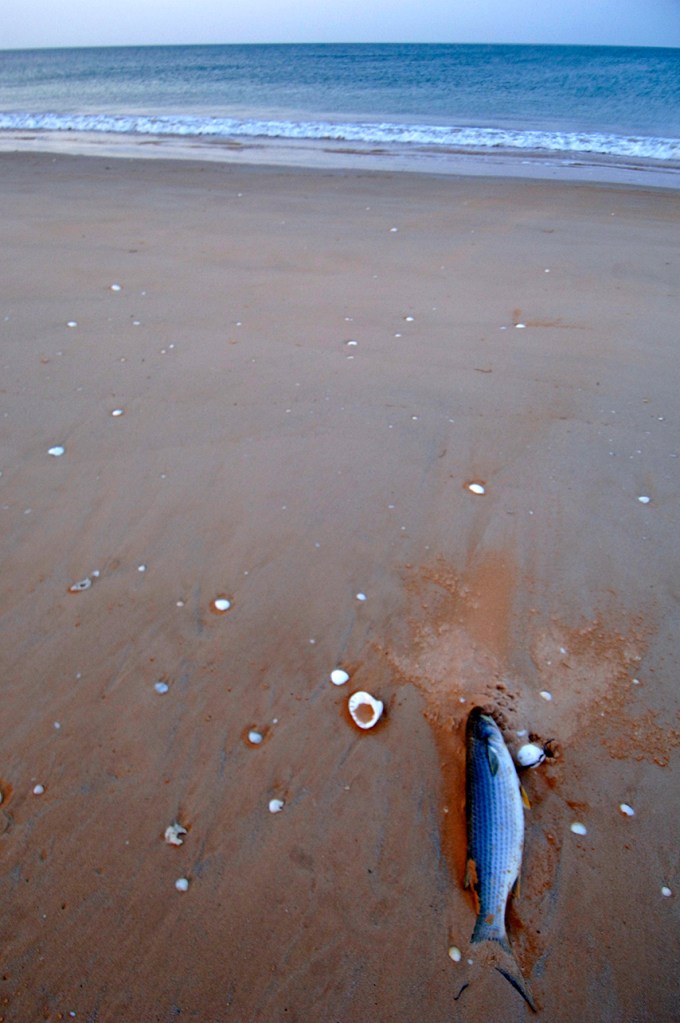
Lines and objects near the sides and corners can also become distorted. Check for distortion when using wide-angle lenses to avoid these unnatural appearances in your images.
Keep it Simple Stupid
KISS – keep it simple, stupid. The KISS model is a much-promoted concept in the creative world. This acronym also applies to photographic composition. The basic premise is to remove unnecessary distractions and keep the composition neat.

Compose and frame your photo for simplicity. Don’t overcomplicate the composition. Think simplicity.
Add Depth to The Composition
Photographs with depth are almost always more appealing. Try to place objects in a manner that adds depth to the composition. Place objects in different areas of a composition that run a long line through the image.
Add an extended depth of field in your aperture setting to create this sense of depth.
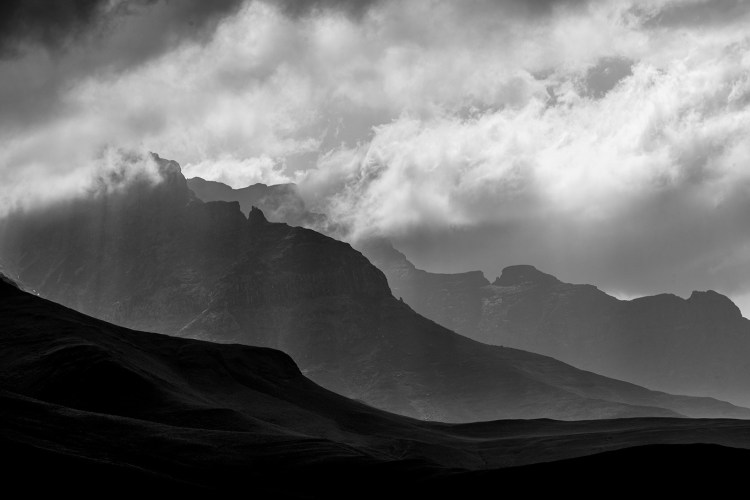
Remember to use a tripod for stability and sharpness when using smaller apertures to achieve the depth of field.
Use Tighter Framing in Your Landscape Composition
Pay attention to framing. In my early days of photography, a mentor taught me to “get in tight with your composition.” Filling the frame is an effective composition technique.
Zoom in or move closer to the main subject, if possible.

If you are unsure how to frame or compose a shot, get close to the subject to reveal details in the image. Getting closer to your subject will help remove any distractions in the frame.
Look for natural elements within the scene that can frame your subject.
Take Advantage of Leading Lines
Look for foreground elements that lead up to the main subject. This can be a path, a river, a lodge, a field of flowers, or even clouds. There’s a good chance these leading lines will make a big difference in an average image.
The image below demonstrates several leading lines that lead the eye to the subject (the person walking along the beach). The shoreline, the sand’s edge, and the footsteps are leading lines pointing to the subject.
The light from the right-hand corner of the frame is also a leading line that points to the subject.
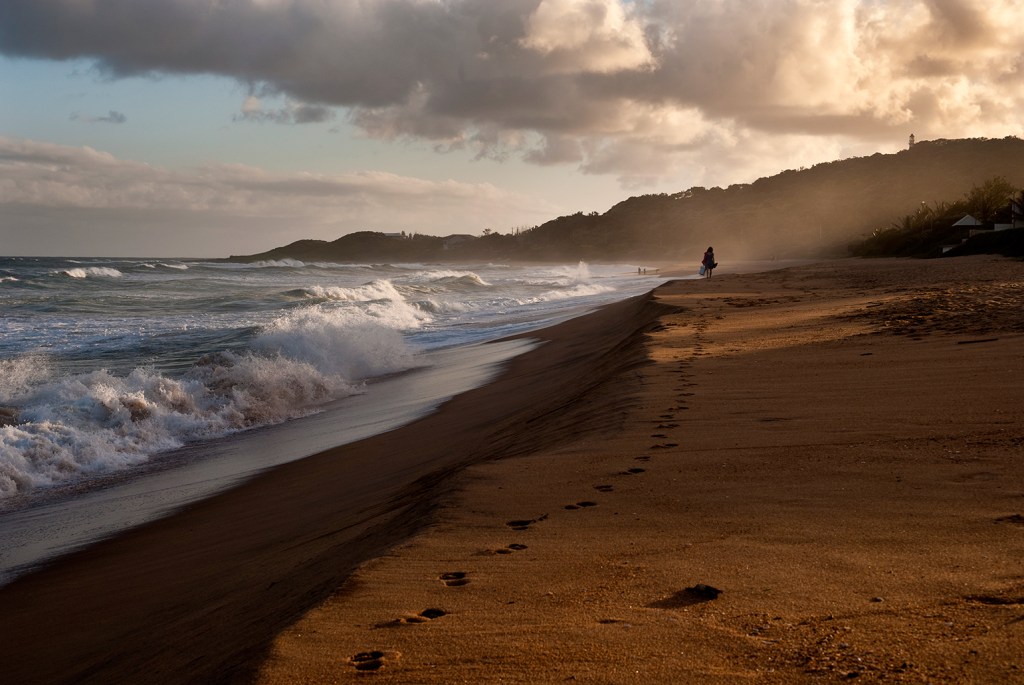
Avoid leading lines where the subject falls off the edge of the frame. Remember that leading lines are not always lines but can also be a change in colour or contrast.
Landscape Panoramas Are Awesome
Panoramas bring a different perspective to landscape photography. Panoramas need extra equipment, such as a stable tripod and technical know-how.
Panoramas are generally not difficult to execute.
Practice makes perfect. Panoramas consist of vertical or horizontal frames that form a logical sequence. These frames must overlap each other at the time of the shooting.
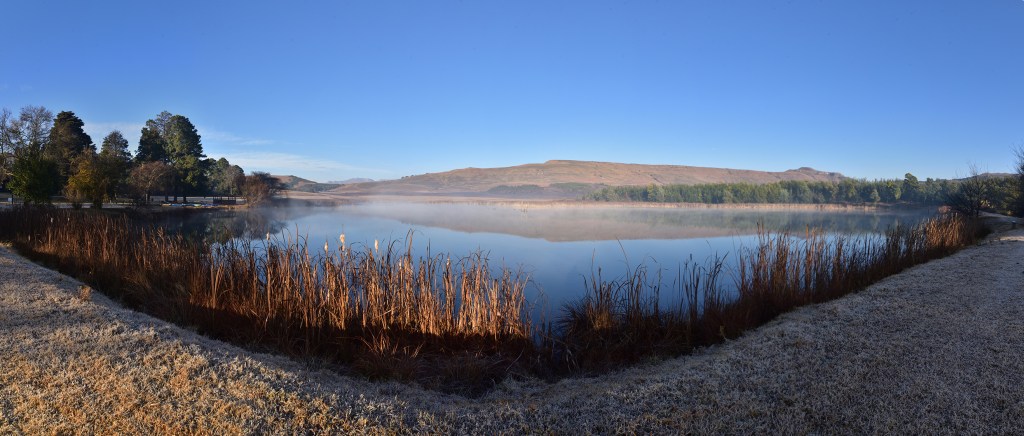
Use a tripod with markings from 0 to 360-degree angles to control the capture process. Software is then used to stitch the frames into a complete panorama post-processing. Photoshop or other third-party software can perform this task. The software can stitch a panorama automatically or manually, depending on your level of expertise.
Step Out of Your Usual Photography Routine
Sometimes, photographers lose their desire for landscape photography. This is common, especially among long-term photographers. If you feel this way, you may want to consider changing things up.
Do things you’ve never done before.
Try a new lens or shoot a new landscape that you never shot before. Try shooting long-exposure landscapes or star trails, for example.
Learning something new in your landscape photography can bring new challenges. These should reignite the passion within you. Take a complete break from shooting if you have a chronic case of photography fatigue. Use the time-out to contemplate the ways you can reinvigorate your creative flow.
Sometimes, a hiatus can be the elixir for your photography ideas and compositions.
In Conclusion
It requires patience, perseverance, and a keen eye for detail. However, with the proper techniques and equipment, anyone can capture stunning landscape images that will leave a lasting impression.
I hope that the above tips help bring success to your landscape photography dreams and goals.
Happy shooting.

Copyright@Crowpixmedia. All Rights Reserved 2026.
 Crowpix Media
5 thoughts on “8 Quick And Simple Composition Tips To Positively Affect Your Landscape Photography Today”