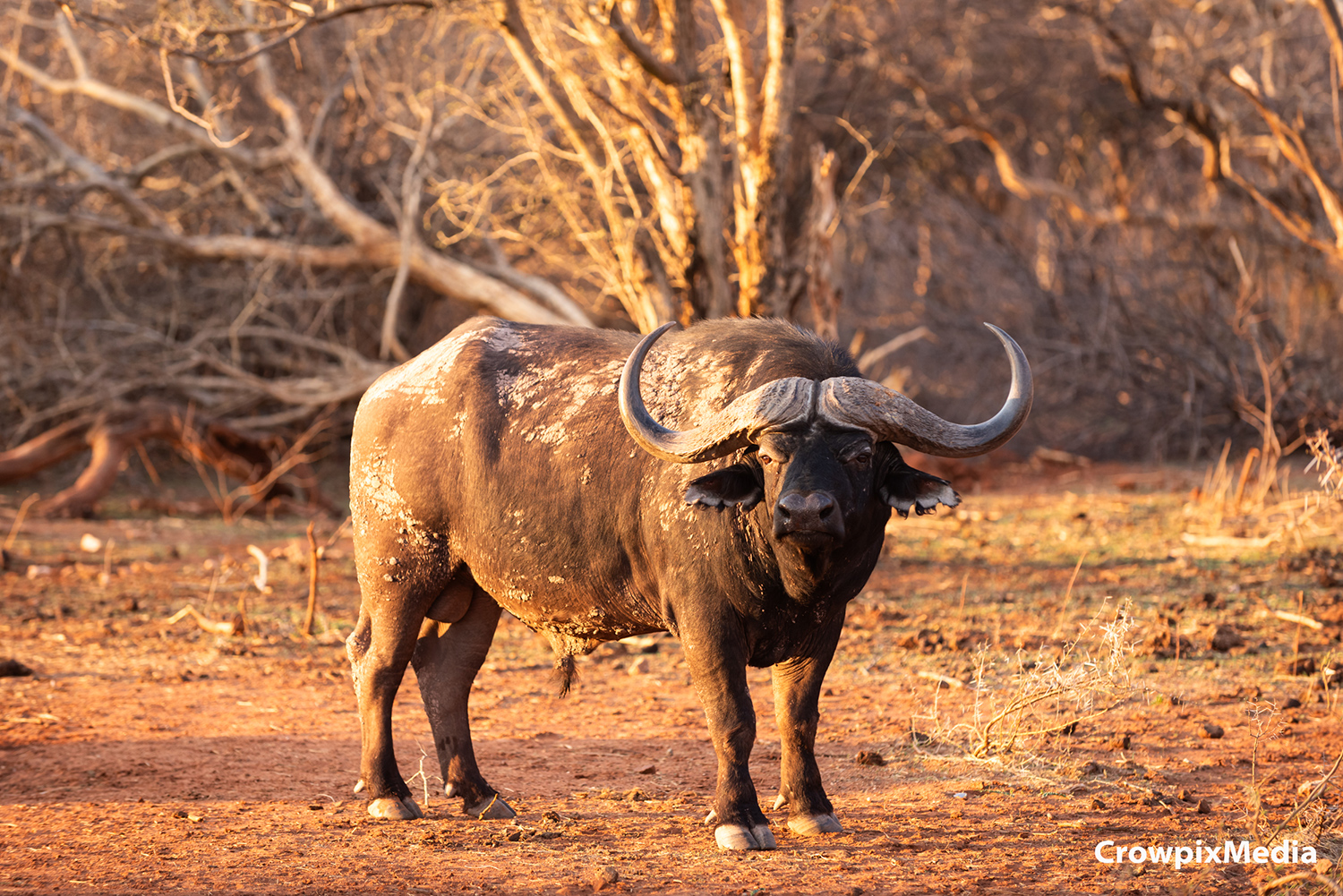
If you visit South Africa, you’ll want to experience its abundance of wildlife. The country’s many animals are worth seeing and photographing, but the Big Five are perhaps the most iconic.
Table of Contents
- Table of Contents
- More About The Big Five
- Where To Spot The Big 5 Animals
- Photographing The Big 5: A Hide Or A Guide
- What Essential Equipment Do You Need?
- Camera Body
- Lenses
- Tripod or Monopod
- Extra Batteries and Memory Cards
- Binoculars
- Lens Cleaning Kit
- The Wildlife of South Africa is Diverse And Exciting
- Conclusion
Unsurprisingly, tourists flock to areas in South Africa where these large land mammals roam the veld. Sightings of the wildlife roaming their natural habitats make for incredible photographic subjects.
The following guide will help you learn more about photographing animals in South Africa, including where to go and how best to tackle them from a photographic perspective.
More About The Big Five
1. African Elephant

- Description: The largest land mammal is known for its impressive size and intelligence.
- Best Locations: Kruger National Park, Addo Elephant National Park.
- Photography Tips:
- Use a zoom lens to capture their details from a safe distance.
- Photograph during golden hours (early morning or late afternoon) for softer light.
- Look for unique behaviour, such as mud bathing or family interactions.
2. Lion
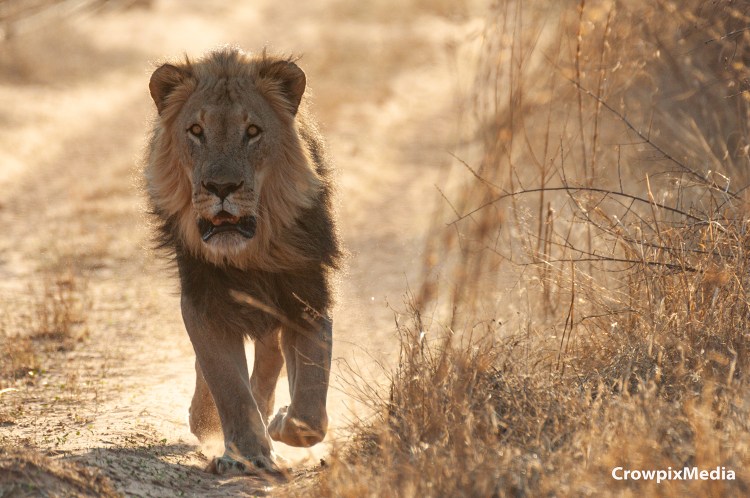
- Description: Often referred to as the “king of the jungle,” lions are social animals that live in a pride.
- Best Locations: Sabi Sands Game Reserve, Kruger National Park.
- Photography Tips:
- Focus on capturing the pride dynamics and interactions.
- Use wide-angle shots to include the environment.
- Be patient; lions often rest during the day, so wait for active moments.
3. Leopard
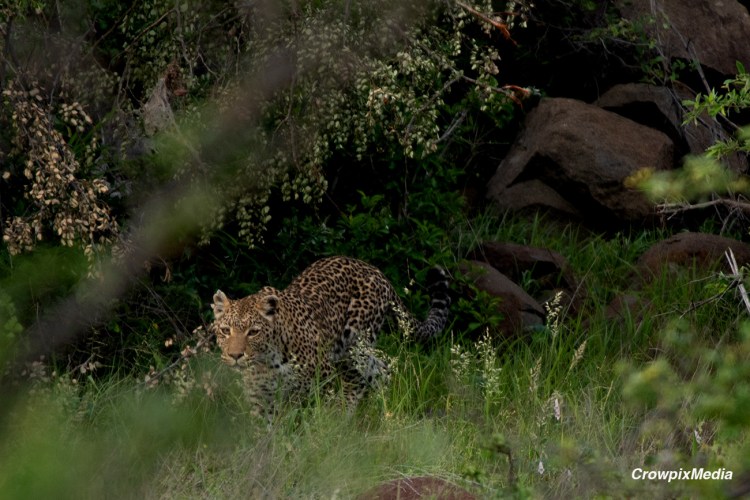
- Description: A solitary and elusive big cat known for its beautiful spotted coat and climbing skills.
- Best Locations: Sabi Sands Game Reserve, Kruger National Park.
- Photography Tips:
- Seek leopards in trees, where they often rest or hide their kills.
- Use a fast shutter speed to capture their movements.
- Be stealthy and quiet; leopards are wary of human presence.
4. Rhinoceros

- Description: Known for their thick skin and horns, rhinos are critically endangered due to poaching.
- Best Locations: Hluhluwe-iMfolozi Park, Kruger National Park.
- Photography Tips:
- Capture their unique features, such as their skin texture and horns.
- Use a long lens to keep a safe distance while photographing.
- Look for them in the early morning when they are most active.
5. Cape Buffalo
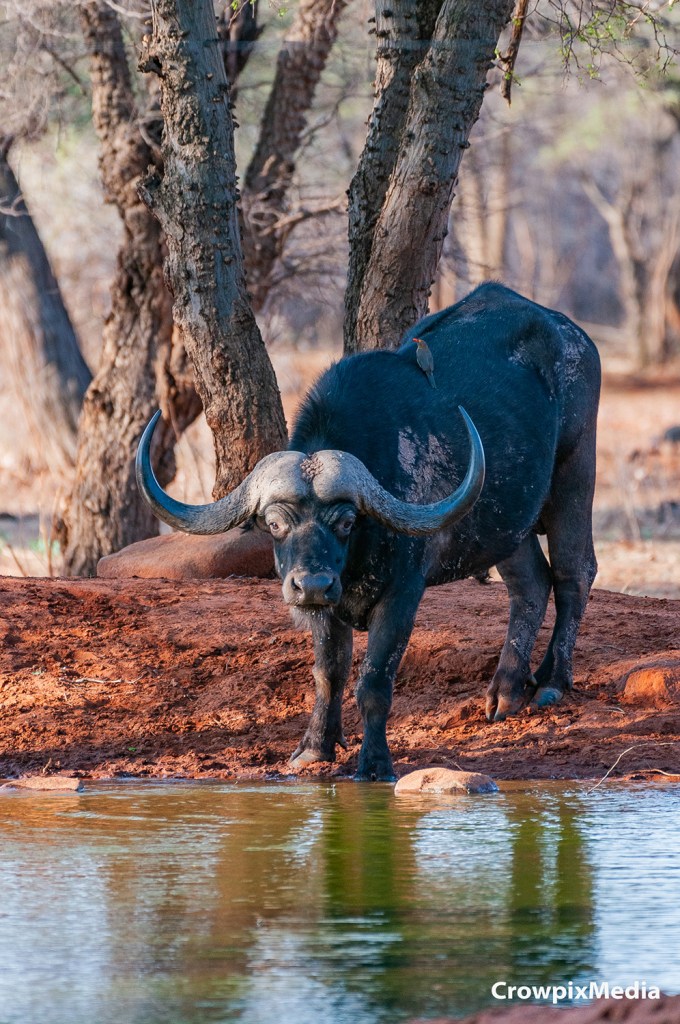
- Description: A strong and formidable animal, buffalo are known for their herd behaviour and unpredictable nature.
- Best Locations: Kruger National Park, Addo Elephant National Park.
- Photography Tips:
- Capture the herd dynamics and interactions.
- Use a wide lens to include the surrounding landscapes.
- Be mindful of their behaviour; they can be aggressive if threatened.
Where To Spot The Big 5 Animals
The Big Five can be seen in national parks across South Africa, such as
- Kruger National Park
- Pilanesberg National Park
- Addo Elephant National Park
- Hluhluwe-iMfolozi Game Reserve
Kruger National Park is the largest game park in Africa and is home to the Big Five. It is located in the North Eastern province of Mpumalanga, South Africa, and covers 3,500 km2 (1,350 sqm).
The Big 5 animals are also found at most game reserves, providing sufficient space to roam freely. These include privately owned nature reserves such as Tumbeta Big 5 Game Reserve.
Photographing The Big 5: A Hide Or A Guide
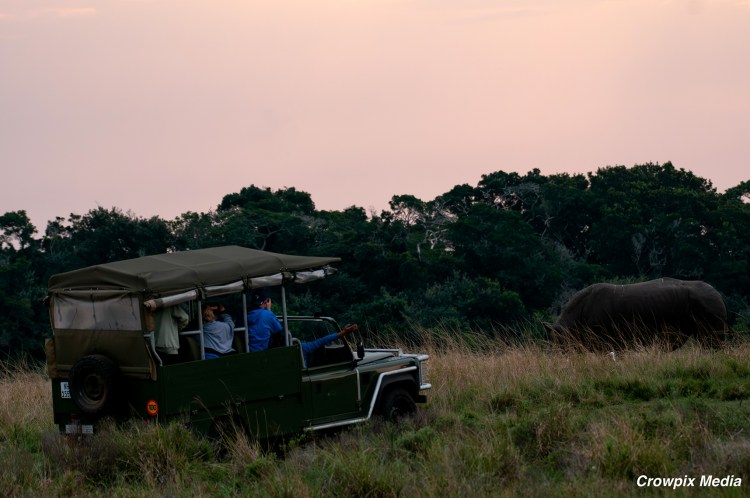
The best way to photograph the Big 5 is from a hide or with a guide. In a hide, it’s easy to get close enough for good photos and safe enough, so you don’t have to worry about being attacked by one of them.
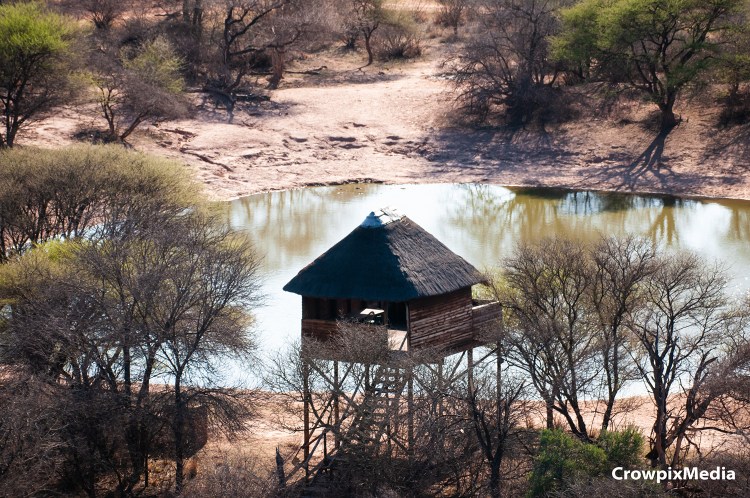
If there aren’t any good hides in your area, it may be worth hiring someone who knows their way around well enough (and has plenty of experience) so that they can take care of everything for you while still providing excellent service at an affordable price point. An experienced and knowledgeable safari guide will lead you and track the Big 5 animals.
Prices vary widely depending on what services are included. But generally speaking, these days, most people spend between R1000 and R3000 per day, depending on where in South Africa they are located or whether they’re full-time or part-time guides, have additional certifications like first aid training or emergency response certifications, or are certified guides through SANParks (South African National Parks).
What Essential Equipment Do You Need?
When embarking on a wildlife photography adventure, having the right equipment is crucial for capturing stunning images of the Big 5. Here’s a list of essential gear to consider:
Camera Body
- A DSLR or mirrorless camera is recommended for flexibility and quality.
- Ensure it has a fast autofocus system for capturing moving animals.
Lenses
- A telephoto lens (200mm or longer) is essential for photographing animals from a distance.
- A wide-angle lens can be helpful for landscape shots and to capture the animal’s habitat.
Tripod or Monopod
- A sturdy tripod stabilises your camera for low-light situations and long exposures.
- A monopod can offer support and mobility when tracking wildlife.
Extra Batteries and Memory Cards
- Wildlife photography can be unpredictable; extra batteries ensure you won’t miss a moment.
- Carry multiple memory cards to store high-resolution images.
Binoculars
- Useful for spotting wildlife from a distance before setting up your shots.
Lens Cleaning Kit
- Dust and moisture can affect image quality; keep your lenses clean to ensure clear photographs.
The Wildlife of South Africa is Diverse And Exciting
The wildlife of South Africa is a diverse and thrilling experience. The beautiful and varied animals offer a unique and exciting photography opportunity. The landscape is breathtaking, and there are many different animals to see and photograph. It’s well worth the effort to go out and see them for yourself, and you’ll be amazed by the diversity of South Africa’s wildlife.
Photographing wildlife in South Africa is a rewarding but challenging experience. It requires patience and perseverance as animals can move quickly and unpredictably through the bush. However, it is well worth the effort.
When photographing wild animals, you must be prepared for the unexpected and be patient, as they might not appear when or where you expect them to be. With determination and the right approach, you can capture the beauty of South Africa’s diverse wildlife.
Remember that you are a visitor and always respect the wildlife in its natural habitat.
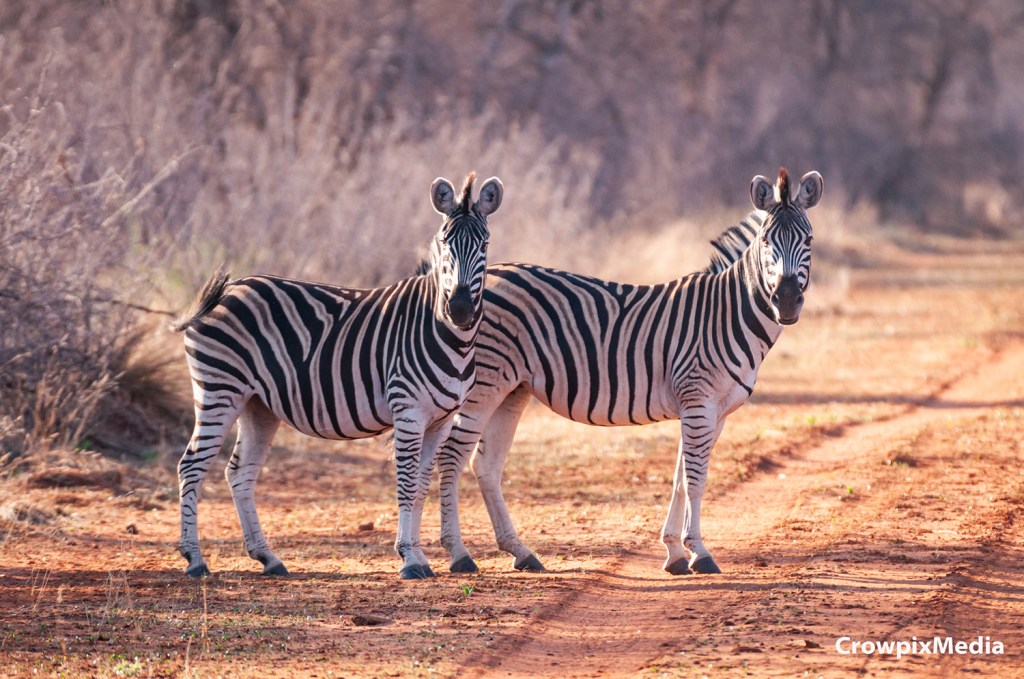
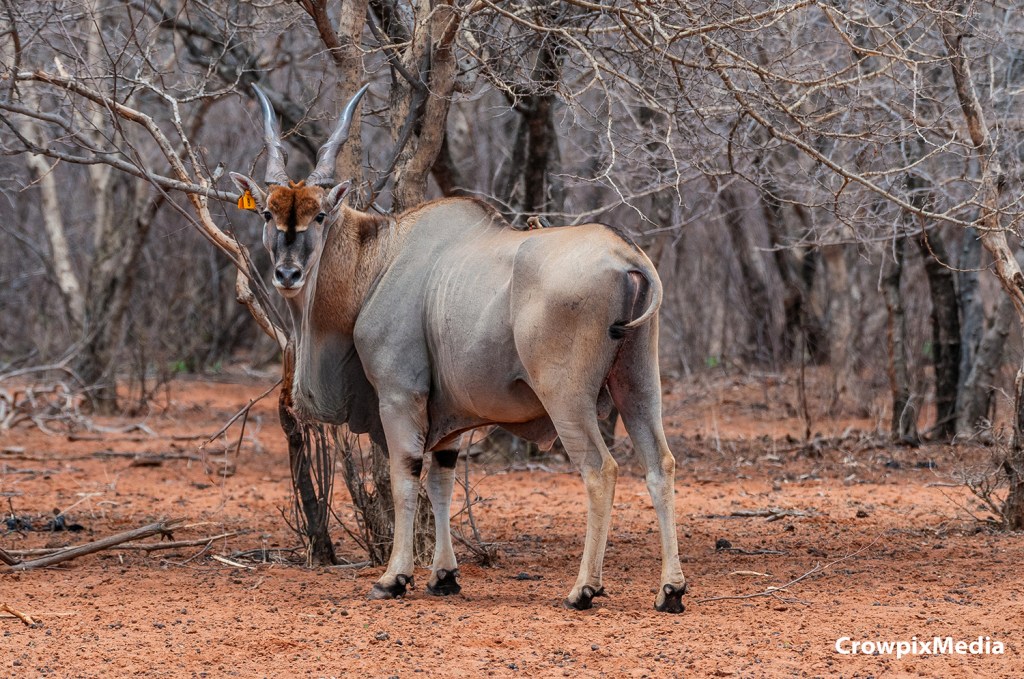
Besides the Big Five species, there are many other amazing animals to photograph.

Conclusion
If you want to see these fantastic creatures in their natural habitat, there is no better place than South Africa. The Big Five can be seen in national parks nationwide, including Kruger National Park, Addo Elephant National Park and Hluhluwe-iMfolozi Game Reserve.
The best way to photograph them is from a hide or with a guide who knows where the animals will likely be seen at certain times of the day. This way, the photographer can get close enough without disturbing the animals.
Crowpix Media hopes this guide provides valuable tips for your next Big 5 photographic safari in South Africa.

Copyright@Crowpixmedia. All Rights Reserved 2026.
 Crowpix Media