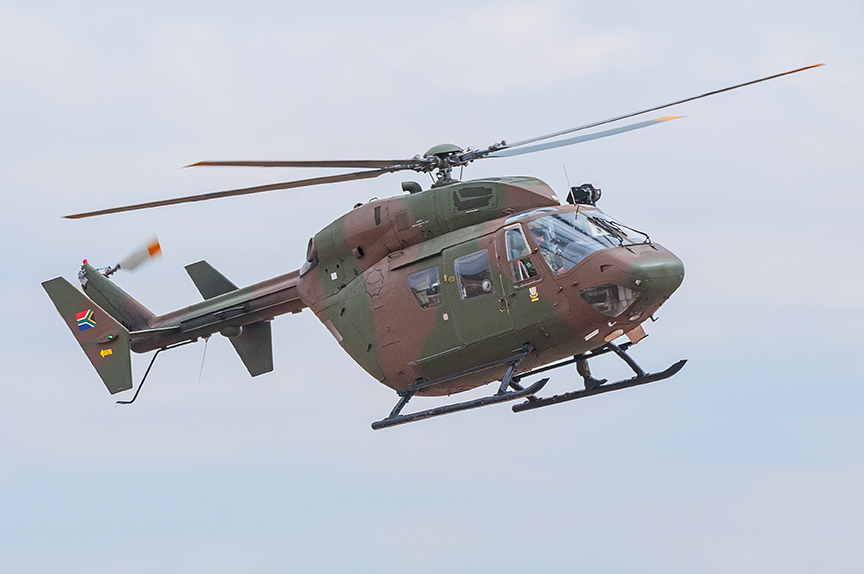
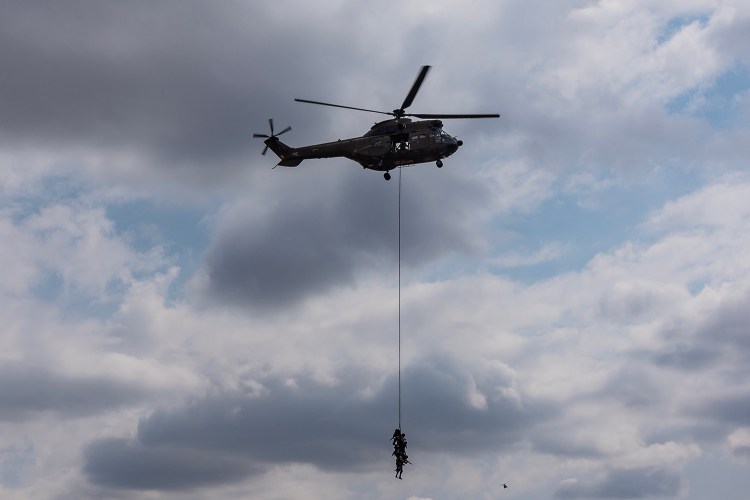
In this blog post, we step outside Crowpix Media’s usual coverage of nature and wildlife photography and display images taken by Crowpix Media at the recent African Aerospace and Defence Expo 2024.
At its core, photography is a visual medium that can effectively tell stories. Some photographers choose to use photography to tell their own stories, while others prefer to use their photos to share someone else’s story. The common fact here is that photos are powerful tools for storytelling.
Regardless of your reason for using pictures in your work, the most important thing to remember is that you must effectively tell your story through the images you capture. This can be done through various techniques, including photo essays, which are considered one of the most effective ways of telling a story through pictures.
Table of Contents
- Table of Contents
- Compelling Storytelling Through Photo Essays
- Three Types of Photo Essays
- Well-Thought-Out Images
- Focus On a Single Subject or Theme Throughout
- Consider Using Multiple Perspectives in Your Photo Essay
- Tell Emotional Stories Through Photos
- Conclusion
Compelling Storytelling Through Photo Essays
The photo essay is considered one of the most effective forms of storytelling. It’s not just an alternative to writing but also a way to express yourself visually, using images to tell your story more effectively. Images can penetrate the minds of viewers in ways that writing cannot. Images are a more heuristic form of understanding a message and, therefore, appeal to audiences that attain greater understanding through the visual medium.
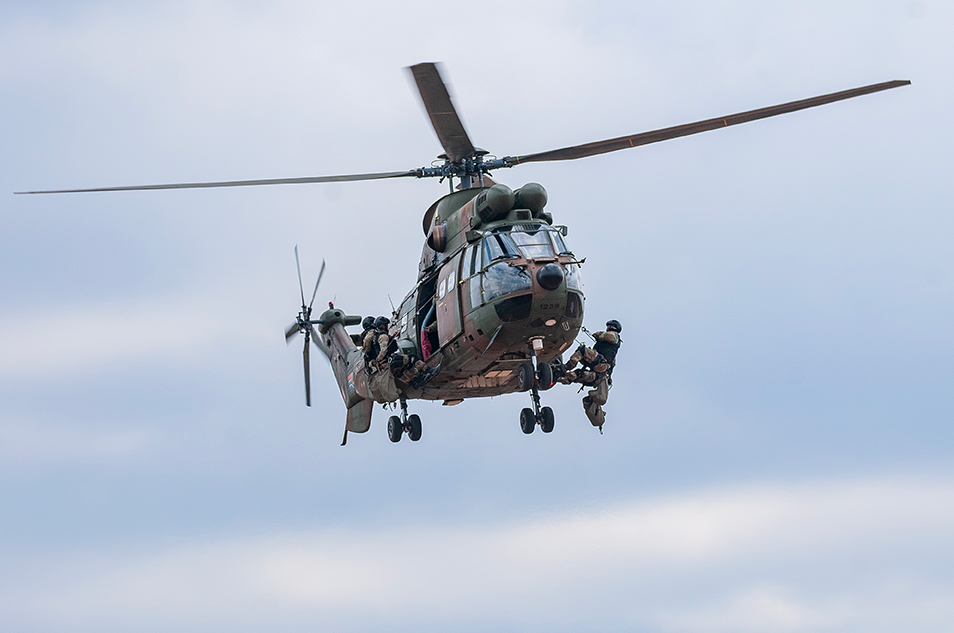
Photo essays are versatile and can be used for any topic requiring visual documentation or storytelling within content mediums like magazines, books, or websites. They are often found in magazines such as National Geographic or other print and online media that promote visual communications.
Three Types of Photo Essays
There are three significant types of photo essays:
- traditional
- narrative
- conceptual
1 A conventional photo essay is a series of photos arranged in a specific order to tell a story. The photographer must decide on the order before taking any shots and stick with it throughout the project. A traditional photo essay usually has a narrative framework that leads the audience through a scene or idea. The following are some typical components:
- Portrait: A compelling beginning that sets the scene, introduces the central character or subject, and builds the viewer’s empathy.
- Establishing Shot: A broad-angle picture that establishes the scene and gives direction and context.
- Highlights: A collection of pictures that highlight the most significant or dramatic scenes, highlighting the main ideas of the narrative.
- Clincher: The last picture that brings the tale to a close and usually conveys a sense of finality or closure.
Extra conventional components
- Thematic Focus: An overarching concept or topic, like a process, a character study, or a metamorphosis, that connects the images.
- Visual Flow: A purposeful arrangement of pictures that leads the eye of the spectator through the narrative.
- Text or Caption: You can add optional text or captions to offer more context, but they should not take over the photos.
2 Narrative photo essays have an added element of time. The images aren’t necessarily connected by chronological order but by cause-and-effect relationships or some other type of sequence (for example, if you were shooting an essay about your childhood memories).
A narrative photo essay is visual storytelling that typically centres on a main character or theme and has a distinct beginning, middle, and end. Unlike thematic photo essays, which focus on a broad notion or concept, narrative photo essays follow a specific storyline, unfolding like a mini-film or a chapter in a book.
Qualities of narrative photographic essays
- Linear structure: The pictures are placed in a way that makes sense and leads the audience through the narrative.
- Central character or theme: The story offers depth and context by concentrating on a particular person, location, or event.
- Story arc: The pictures have a distinct beginning, middle, and end, which suggests a sense of progression and resolve.
- Emotional resonance: The purpose of narrative photo essays is to arouse feelings in the audience.
3 Conceptual photo essays are a type of photography that harnesses the narrative power of photojournalism. These essays use images to convey abstract ideas, themes, or messages, often blurring the lines between art and documentary. They have a rich history, with roots in the early 20th-century avant-garde movements and the later emergence of conceptual art in the 1960s.
Critical characteristics of conceptual photo essays
- Idea-driven: Conceptual photo essays begin with a concept or idea rather than a specific subject matter.
- Provocative themes: They delve into abstract themes, such as the complexities of the human condition, societal critiques, or profound philosophical concepts, sparking intellectual curiosity.
- Staged or curated: Photographs are often staged to represent the idea or concept rather than simply documenting a scene or event.
- Interactive interpretation: Viewers are not just passive observers but active participants in the narrative, invited to interpret the images and concepts, fostering a sense of engagement.
Well-Thought-Out Images
The first thing you need to know about creating a photo essay is that it’s not just a series of random snapshots. A good photo essay comprises a series of well-thought-out images. In other words, thinking about how your photos fit together is essential before taking them.
Draft your ideas for a photo story and be clear on your objectives before starting your project. A clear goal will help you pick the right moments to photograph when constructing your visual storyline.
Essential factors to consider in your planning of a photo essay include:
- Compositional elements include framing, subject position, background, foreground, colour or black and white usage, depth of field, lighting, and other relevant aspects of general composition.
- Capturing the mood of the occasion is vital. Mood purveys a sense of the feelings associated with the story being told and helps to captivate the audience through mood perception.
- Similar to mood, emotional elements are vital to a photo essay, as they can help the audience relate to the story being told or create empathy with its characters and subject matter through psychological appeals.
- The use of lens type plays a role in purveying a message. For example, a wide-angle lens can capture as much general scenery as possible, versus zooming in on specific details that show detail, such as textures, shapes, or patterns. Each lens type can offer a different perspective and should be carefully considered.
Focus On a Single Subject or Theme Throughout
A photo essay focuses on a single subject or theme throughout its pictures. The photos should be related and work together to tell a story. A series of images can also be used to tell stories.
For example, if you photograph an event with multiple parts, such as a wedding ceremony and reception, it would make sense to take pictures throughout these events so that viewers can follow along from beginning to end (and see how everything comes together) in one place.
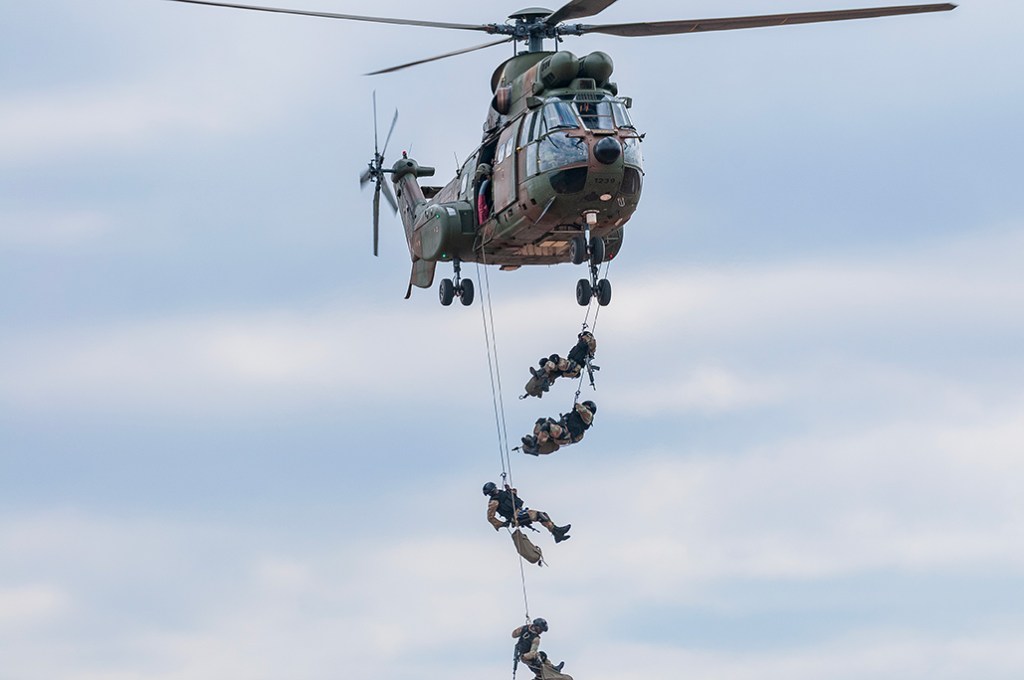
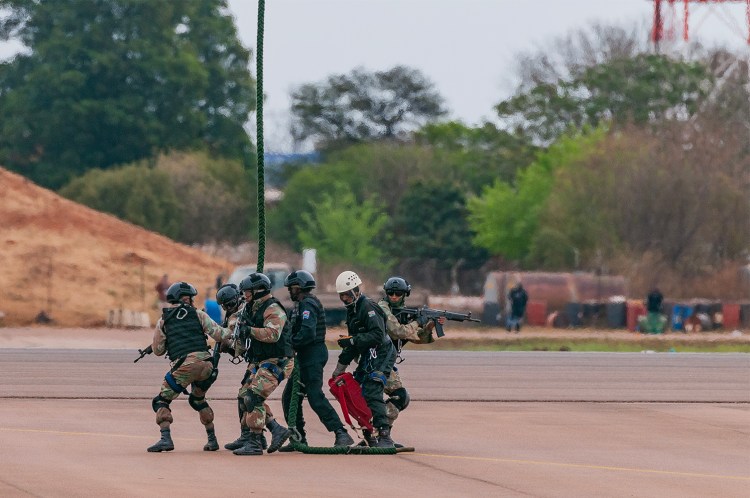
As shown in the photo essay of the military exercise depicted in this article, the theme and subject are consistent throughout, and the photos remain interrelated. Like written stories, photo stories must be congruent and make sense to the viewer. One way to achieve that is by being consistent with the subject or theme of the story.
Keeping on the topic creates a compelling storyline that will not confuse viewers.
Consider Using Multiple Perspectives in Your Photo Essay
You can use multiple perspectives in your photo essay to connect your viewers and the subject matter. One way to do this is by using different lenses on your camera. A wide-angle lens will allow you to capture more of the scene than a telephoto lens while showing more detail than a macro lens could achieve.

For example, if you’re photographing an animal at a zoo and want readers to feel like they’re right there with it, then using either type of lens would be helpful because both have unique qualities that help bring out different parts of an image’s composition or how it looks overall when viewed from afar or up close (i.e., its depth).
Alternatively, consider your position and angle as a photographer regarding the subject you photograph. Are you positioned low down and, therefore, shooting at an upward inclination from a low angle, or are you elevated and shooting downward towards the subject? You could also come from the side with a different approach. Think about the foreground and background detail.
Tell Emotional Stories Through Photos
Using emotions ethically in your photo essay is a powerful communication tool. The creative use of emotions in storytelling can move humans to action. Understanding the emotional triggers of your potential audience is vital. Knowing what issues may touch your audience’s feelings helps create compelling and persuasive photo essays.
If your visual message aims to drive change in people’s minds and hearts, emotional appeals can be very effective in altering current attitudes towards an issue.
A well-known example is images showing the devastation caused by an oil spill on the affected natural environment. If sea life and birds are shown to be covered in oil, look sickly, and need urgent help, such images will likely affect the audience’s emotional motivation to support the clean-up efforts.
Actions could include volunteering, donating money or supplies.
Emotional appeals can help your photo stories by:
- Highlighting specific details within the larger context of your story.
- Showing how different people or animals are impacted by an event or object.
- Bringing an emotional and psychological appeal that moves or affects the audience.
Conclusion
Photo essays are a great way to tell stories through photos and create strong connections between your viewers and the subject matter. They’re not as common as they used to be, but many different types of photo essays exist today.
It all depends on what kind of story you want to tell, but if it involves photography, chances are good that at least one type could work for your goal.

Copyright@Crowpixmedia. All Rights Reserved 2026.
 Crowpix Media