
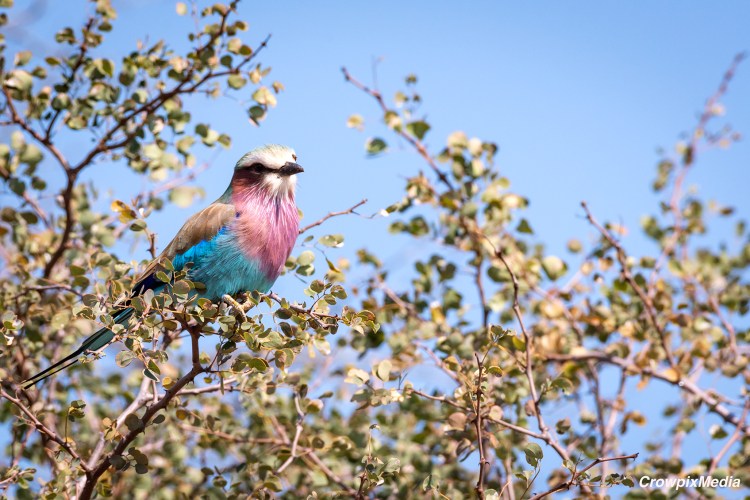
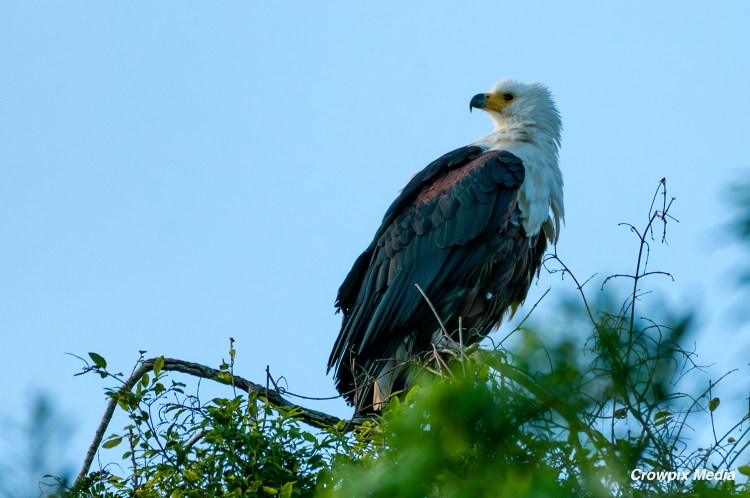
Have you ever dreamed of capturing stunning photographs of birds in their natural habitat? If South Africa is on your travel bucket list, you’re in for a treat. This beautiful country is home to many bird species, from the striking African Fish Eagle to the colourful Lilac-breasted Roller.
But bird photography in the wild can be challenging, requiring patience, skill, and knowledge of birds’ habits and habitats.
Table of Contents
- Table of Contents
- Why do You Love Bird Photography?
- Understanding Birds And Their Behaviour
- Recommended Locations For Bird Photography in South Africa
- Essential gear for bird photography
- Tips For Capturing Stunning Bird Photographs
- Techniques For Photographing Birds in Flight
- Composition And Lighting Are Essential Elements of Bird Photography
- Ethical Considerations for Wildlife Photography
- Editing and Post-processing Bird Photographs
- How to Get up Close And Personal With Your Subject?
- In Conclusion
In this article, we’ll explore tips and tricks for photographing birds in South Africa, from choosing the right equipment to finding the best locations and lighting. Whether you’re a seasoned wildlife photographer or a beginner, these tips will help you take your bird photography to the next level and capture stunning images.
So grab your camera, and let’s dive into the wild world of bird photography in South Africa!
Why do You Love Bird Photography?
If you’re reading this article, I’m guessing you love bird photography. You’re not alone. Millions of people around the world enjoy capturing images of birds in their natural habitats. You love birds and want great photographs showing their colour, action, and uniqueness.
Birds are beautiful creatures that deserve our respect and admiration but can also be hesitant and challenging to get in our camera crosshairs. If you see a bird in your yard or at the park, chances are it will fly away before you have time to take out your camera and snap a picture.
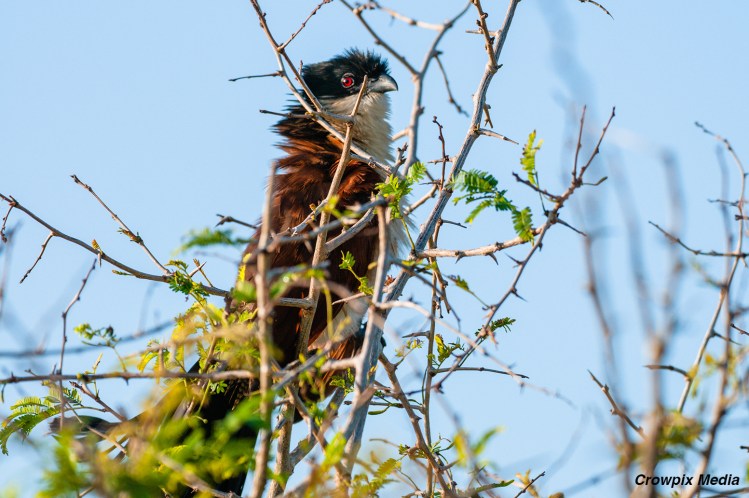
The thrill of catching a great bird photo is what makes bird photography an excellent hobby. Bird photography gives photographers the opportunity (and excuse) to spend vital time outdoors and challenges enthusiastic wildlife photographers to test their bird photography skills.
And skills are authentic, as capturing a sharp and stunning image of a bird, especially on the move, is an acceptablephotographic pursuit.
Understanding Birds And Their Behaviour
Before you start photographing birds, it’s essential to understand their behaviour. Knowing what to look for and how they behave can help you anticipate their movements and capture the perfect shot.
For example, birds are most active in the early morning and late afternoon when the light is soft and warm. They tend to rest and avoid the heat in the middle of the day.
Different species of birds also have unique behaviours. Some are skittish and easily spooked, while others are more tolerant of human presence. The African Fish Eagle, for example, is an apex predator and tends to be more confident and less wary of humans. On the other hand, the colourful Lilac-breasted Roller is more nervous and will fly away at the slightest movement.
One way to learn about bird behaviour is to observe them in their natural habitat. Spend time watching birds without a camera, and you’ll gain valuable insights into their habits and movements. This knowledge will come in handy when you start photographing them.
Recommended Locations For Bird Photography in South Africa
South Africa has many habitats, from the savannah to the mountains to the coast, each with unique birdlife. Some of the best locations for bird photography include Kruger National Park, Kgalagadi Transfrontier Park, and iSimangaliso Wetland Park.
- Kruger National Park is one of Africa’s best-known wildlife reserves. It is home to over 500 bird species and has several hides and viewpoints where you can photograph birds up close.
- Kgalagadi Transfrontier Park is a vast wilderness area that straddles the border between South Africa and Botswana. The park has several waterholes where birds congregate, making them ideal locations for bird photography.
- iSimangaliso Wetland Park is a UNESCO World Heritage Site and one of the most biodiverse areas in South Africa. The park has several estuaries and lakes, which attract a wide variety of birds, from flamingos to pelicans to kingfishers. It’s a great place to photograph birds in their natural habitat.
Essential gear for bird photography
To capture stunning bird photographs, you need the right equipment. Here are some essential gear items for bird photography:
Camera
An essential feature is a wildlife camera’s burst speed, buffer capacity, AF performance, and high ISO performance. A fast frame rate and high-resolution sensor camera are ideal for bird photography. While opinions may vary on what cameras are best for wildlife and, specifically, bird photography, some current examples are:
Mirrorless
DSLR
Lens
A long telephoto lens is essential for bird photography. A 400mm or 600mm lens will allow you to get close to your subject without disturbing them. As with the best cameras, lens choice is also a personal preference and depends on budget and the shoot requirements. Some good examples of lenses for bird photography are:
- Nikon Z 800mm f/6.3 VR S
- Nikon Z 100-400mm f/4.5-5.6 VR S
- Nikon AF-S NIKKOR 600mm f/4E FL ED VR
- Nikon 200-500mm f/5.6E VR
- Nikon 500mm f/4E FL ED VR
Tripod/monopod
A sturdy tripod is essential for keeping your camera steady and minimising camera shake. The Gitzo GT5563GS Series 5 Systematic Tripod and the Manfrotto 057 Carbon Fibre Tripod are excellent options.
Accessories
Other accessories, such as a remote shutter release, a polarising filter, and a camera bag, can also be helpful. A camera or telephoto support mechanism, such as a rotating attachable bracket, is also beneficial.
Tips For Capturing Stunning Bird Photographs
Now that you have the right gear, it’s time to capture stunning bird photographs. Here are some tips:
Get low
Getting down to eye level with your subject can create a more intimate and engaging photograph. This technique works well for ground-dwelling birds, such as ostriches and guinea fowl.
Use a shallow depth of field
Using a shallow depth of field can help isolate your subject and create a beautiful, blurred background. This technique works well for perched birds and can add a dreamy feel to your photographs.
Focus on the eyes
The eyes are the most critical part of a bird photograph. Ensure they’re in sharp focus and the rest of the image is slightly blurred. This technique will draw the viewer’s attention to the bird’s eyes and create a more engaging photograph.
Techniques For Photographing Birds in Flight
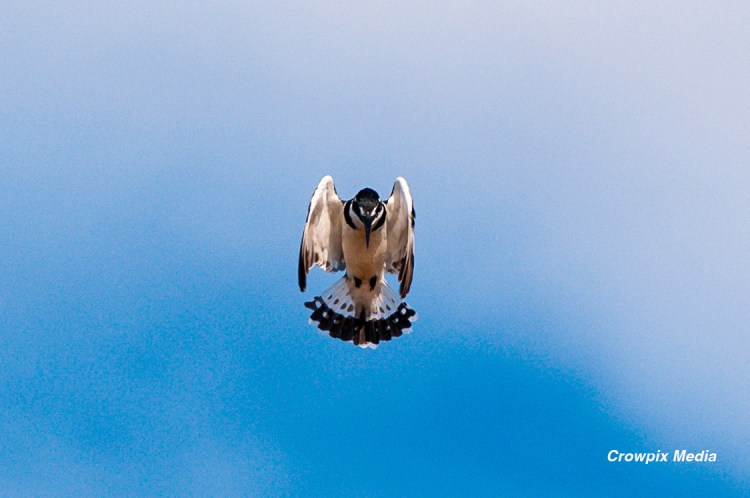
Capturing birds in flight is one of the most challenging aspects of bird photography. Here are some techniques:
Use a fast shutter speed
A fast shutter speed is essential for capturing birds in flight. A shutter speed of 1/1000s or higher is recommended.
Pre-focus on a spot
Pre-focusing on a spot where you expect the bird to fly can help you capture the perfect shot. This technique works well for birds that fly in a predictable pattern, such as vultures.
Follow the bird
When photographing birds in flight, following them with your camera is essential. This technique takes practice but can help you capture stunning images of birds in motion.

Composition And Lighting Are Essential Elements of Bird Photography
Here are some tips:
Rule of thirds
The rule of thirds is a composition technique that can help you create a more balanced and engaging photograph. Imagine dividing your image into thirds horizontally and vertically, and placing your subject where the lines intersect.
Golden hour
The golden hour is just after sunrise and before sunset when the light is soft and warm. This time of day is ideal for bird photography, as it can create a beautiful, golden glow that enhances your images.
Backlighting
Backlighting can create a beautiful, glowing effect around your subject. This technique works well for birds with colourful plumage, such as the Lilac-breasted Roller.
Ethical Considerations for Wildlife Photography
When photographing birds, it’s essential to consider their welfare. Here are some ethical considerations:
Respect their space
Respect the bird’s space and avoid getting too close, as this can cause stress and disrupt their natural behaviours. A wildlife photographer should adopt the motto “do no harm and leave no trace.”
Don’t feed them
Feeding birds can disrupt their natural diet and behaviour and attract other predators that may harm them. It is never advisable to feed any wild animal. It is unethical and eventually leads to problems between humans and wild animals, usually detrimental to the animal.
Don’t disturb nests
Avoid disturbing nests or breeding areas, as this can harm the birds and their young but may make for exciting photo stories. A sensible approach is to use your telephoto and keep a respectful distance from the nest, yet remain close enough to get great photos.
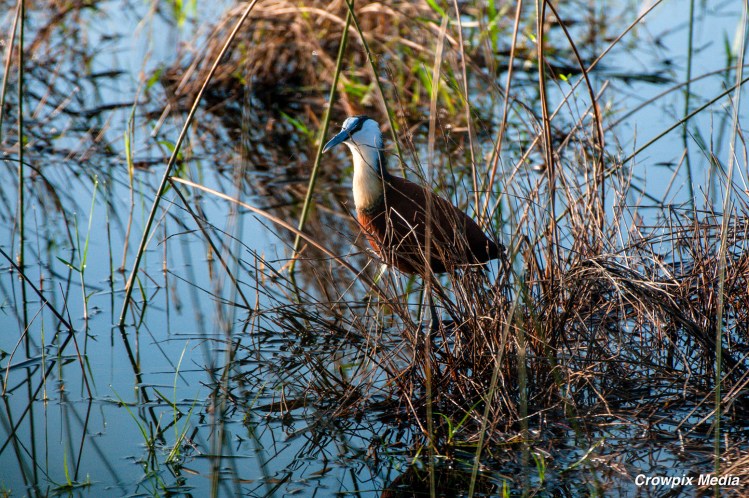
Editing and Post-processing Bird Photographs
Editing and post-processing can take your bird photographs to the next level. Here are some tips:
Crop and straighten
Cropping and straightening can help you create a more balanced and engaging photograph. Still, it is better to consciously keep your camera level as high as possible. Camera support or a monopod could help you achieve level images that don’t require much cropping in post-processing. In cases where you were a bit removed from an animal when using a telephoto prime (say 300mm f/2.8), post-processing cropping may be required to get closer to the subject. A full-frame camera, such as the Nikon D75,0 is an example of a full-frame sensor that will allow for greater cropping. Conversely, an APS-C-sized sensor camera (such as Nikon D300S) will have an automatic crop factor of 1.5, effectively extending the range of your telephoto lens by 1.5x. eg. 300mm x 1.5 = 450mm effective zoom length.
Adjust exposure
Adjusting exposure can help you bring out the details in your image and create a more vibrant photograph. Colour correcting, level changing, and exposure settings like those in Adobe Lightroom and Photoshop are excellent tools for adjusting exposure. As with cropping, getting the best possible exposures when photographing is pertinent. However, if your exposures don’t work out, current editing software has a range of tricks to solve your exposure problems.
Sharpen and reduce noise
Sharpening and reducing noise can help you create a crisper and clearer photograph. Once again, getting sharp images starts with the photographer when photographing a subject or action. Bringing focus, avoiding camera shake, and dealing with fast motion are vital to creating a tack-sharp image. Noise is the relationship between your chosen ISO and the amount of available or atmospheric light. The higher the ISO (for example, 2500 ISO), the more potential for grainy images and vice versa for non-grainy images.
How to Get up Close And Personal With Your Subject?
Getting close to your subject is essential for getting good bird photos, but it can be difficult when birds fly or move quickly. One way to get close to your issue is by using a long lens (at least 200mm). A good rule of thumb is that it’s probably too far away if you can’t see its feet from where you’re standing.
Another way to get closer is to learn how to use your camera’s zoom feature. Zooming in on the bird as much as possible without losing focus can make all the difference between average and unique shots.
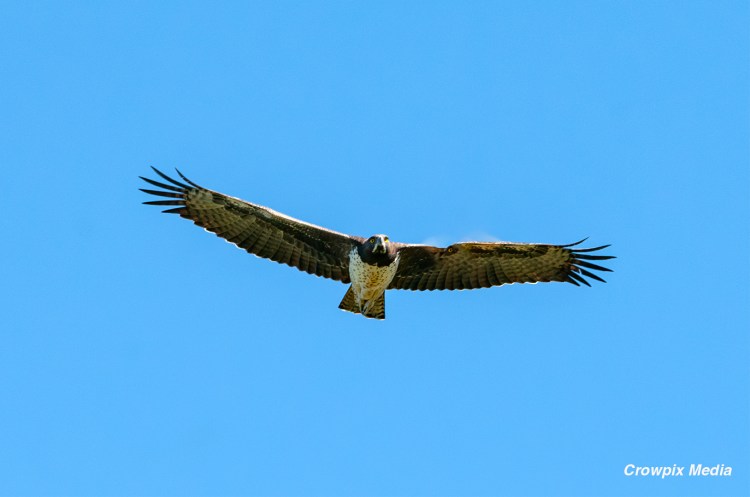
If possible, try using a purpose-built tripod, an attachable bracket, or a monopod to help hold the camera and telephoto lens combination steady and avoid camera shake or misfocus. Small birds like hummingbirds, which are swift fliers, present a special challenge when attempting to capture their action.
Bird photography is a great hobby that can be challenging at times. For your photos to turn out well, many factors must come together: patience, eye-hand coordination and practice! The reward of having captured something special makes all of this worth it.
Remember, getting good photos takes practice! Don’t give up; keep practising until those beautiful bird shots become easy enough, you have gotten to know your subject over time, and you have developed your wildlife photographic storytelling capabilities.
In Conclusion
Bird photography in South Africa can be a rewarding and challenging experience. With the right equipment, knowledge, and techniques, you can capture stunning images of birds in their natural habitat.
Remember to respect the birds and their environment and prioritise their welfare over your photograph. With patience and persistence, you can take your bird photography to the next level and capture images that will send your pride levels up, up and away.

Copyright@Crowpixmedia. All Rights Reserved 2026.
 Crowpix Media