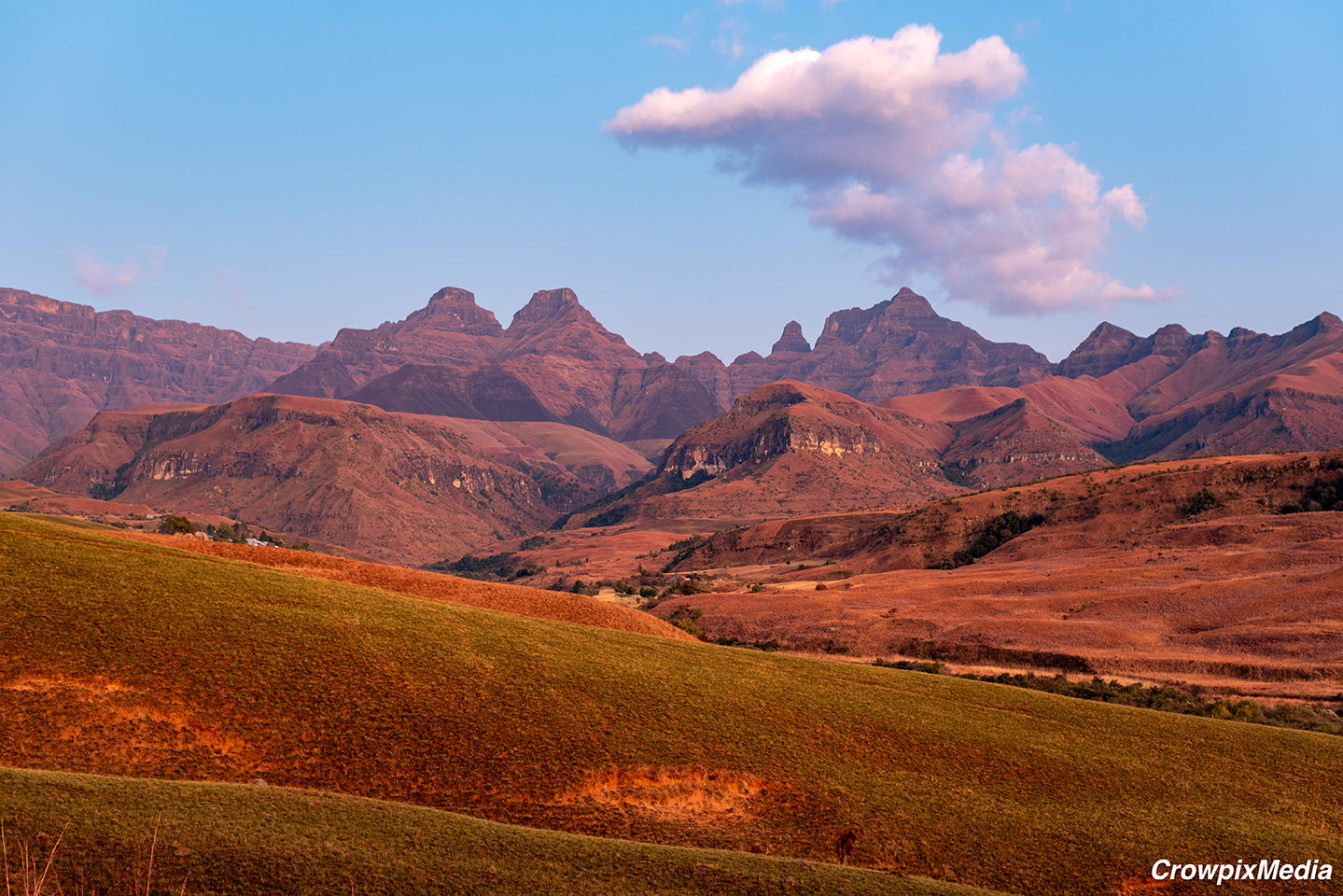
Most people think of landscape photography as something you do with a fancy camera, but it doesn’t have to be that way. In fact, landscape photography can be done with just about any camera, and images can be vastly improved at the post-processing stage, whether you like black-and-white or colour photography.
Landscape photography encompasses an exciting array of different types, including long exposure photography, night sky photography, star trails, scenic vistas, close-up shots and textures, black-and-white, and almost any photographic form the imagination can create that represents the beautiful elements of our natural Earth.
This article will discuss six reasons to take your camera, whether sophisticated or simple, film or digital, get into nature, and test your favourite landscape photography skills.
Table of Contents
- Table of Contents
- Landscape Photography is a Growing Genre
- There Are Lots of Ways to Get Started in Landscape Photography
- What Are The Steps to Get Started in Landscape Photography?
- Landscape Photography is a Great Way to Travel
- Landscape Photography Aids Your Growth as a Photographer
- Landscapes Are Everywhere, so There Are Always New Locations For Photos
- In Conclusion
Landscape Photography is a Growing Genre
First, landscape photography is a growing genre that has been gaining popularity for some years, and it’s not hard to see why. If you want to get started with this type of art, many opportunities are available, as landscapes abound.
You only need to get your vehicle, motorbike or bicycle and enter the nearest landscape with your camera, tripod and favourite landscape photography gear. Making your escape into the wilds and seeking out landscape opportunities is a favourite pastime for many photographers.

Many people enjoy landscape photography and seek new ways to share their work with others. Due to its popularity, landscape photography has a vibrant online community eager to help landscape photographers of all levels improve. Take a quick glance at social media, and you will find a strong tribe of landscape photography enthusiasts, hobbyists, and full-on pros sharing their best shots for public viewing.
To develop a well-rounded approach and conceptualise landscape photography, one should only research photography outside social media. For example, renowned photography agencies that exhibit a range of canonical works, such as http://www.magnumphotos.com, are excellent resources for expanding our photographic boundaries and imagination.
There Are Lots of Ways to Get Started in Landscape Photography
Once you have bought your camera (a big decision—take your time and research), you will likely want to consider a landscape photography course or guide. There is an abundance of online courses available for beginner landscape photographers.
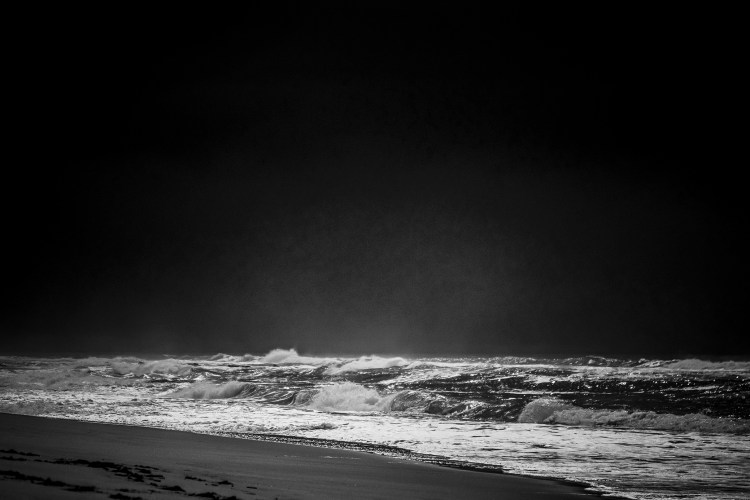
Some photographers like to emulate their favourite landscape photographers as they develop a particular style of photography. A typical example is the black-and-white landscape photography of Ansel Adams, amongst other highly reputed photographers.
As stated in the previous paragraph, look for inspiration and vision in your photographic exploits and expand your understanding of photography by reading widely on the subject, including landscape photography that advances the art.
What Are The Steps to Get Started in Landscape Photography?
Learn the basics: Familiarise yourself with the fundamental principles of photography, such as exposure, composition, and lighting. Understand how your camera works, including aperture, shutter speed, and ISO settings.
Invest in essential gear: While you can start with basic equipment, having a sturdy tripod, a wide-angle lens (10-24mm or similar), and a DSLR or mirrorless camera will significantly enhance your landscape photography capabilities. Consider purchasing neutral density filters to control light and a remote shutter release for stability.
Study inspiring landscape photographs: Look at the works of renowned landscape photographers to gather inspiration and learn about different styles. Observe how they compose their shots, utilise light, and convey emotions through their images. Studying the work of other photographers can help you develop your artistic vision.
Scout locations:
- Research and explore potential landscape photography locations in your area.
- Use online resources, guidebooks, and social media platforms to find places that offer scenic vistas, exciting features, and unique perspectives.
- Visit the locations beforehand to know the best times to shoot and identify potential compositions.
Master composition: Composition plays a vital role in landscape photography. Learn about the rule of thirds, leading lines, foreground interest, and balancing elements within your frame. Experiment with different compositions to create visually compelling images.
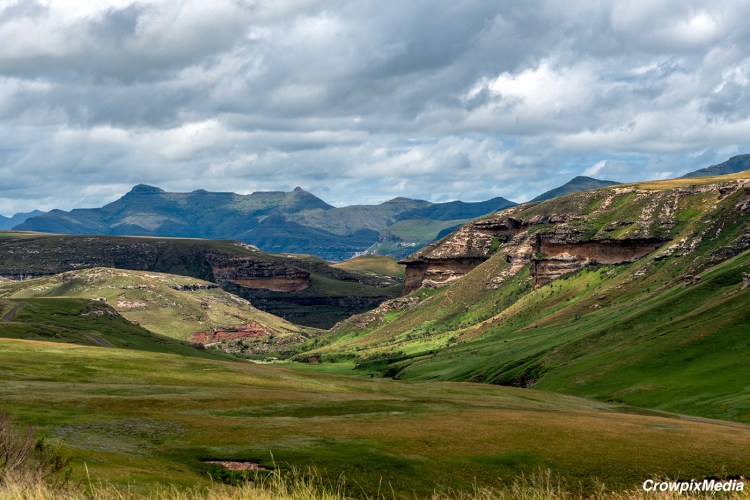
Utilise natural light: Light is a crucial element in landscape photography. Plan your shoots during the golden hours, which occur around sunrise and sunset, as the soft and warm light can enhance the mood and bring out details in the landscape. Also, be mindful of weather conditions and how they can impact the lighting and atmosphere of your images.
Incorporate foreground elements: Including interesting details can add depth and visual interest to your landscape photographs. Look for rocks, plants, water bodies, or other objects that can create a compelling foreground that leads the viewer’s eye into the frame.
Experiment with long exposures: Long exposures can create dramatic effects in landscape photography. Experiment with techniques such as capturing silky-smooth waterfalls, streaking clouds, or light trails from moving vehicles. Use a tripod and adjust your camera settings accordingly.
Post-processing: Learn basic post-processing techniques to enhance your images. Software like Adobe Lightroom or Capture One can help you fine-tune exposure, adjust colours, and highlight details in your landscape photographs. However, remember to balance enhancing your images and keeping them natural-looking.
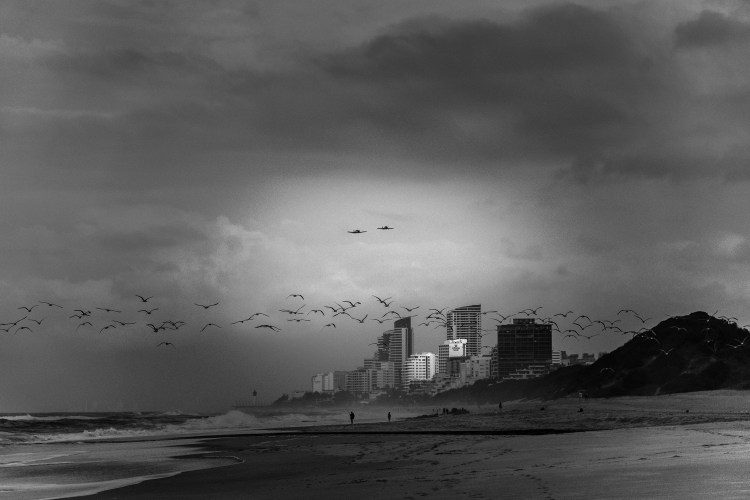
Practice and experiment: The more you practice, the better you become. Go out frequently, explore different locations, and try new techniques. Embrace failures as learning opportunities, and don’t be afraid to experiment with unconventional compositions or unique perspectives.
Remember, landscape photography is a creative endeavour, so enjoy the process, immerse yourself in nature, and let your style shine through your photograph.
Landscape Photography is a Great Way to Travel
Landscape photography means you can travel and take your camera with you. It’s not just about seeing the world; it’s about capturing beautiful images of your travels. You can take your camera with you and capture the beauty of nature or even just some of the world around you.
Landscape photography is a great way to get started in photography. The equipment required is minimal and affordable, making it easy to create without breaking your bank account.

The camera body and lens are the two most expensive pieces of gear you’ll need for landscape photography, but even these can be as inexpensive as $300 or less if you’re starting (and more than $4,000 if you want something high-end). You can easily find used equipment online; even new cameras can cost less than $500 if they’re not top-of-the-line models from big brands like Canon or Nikon.
A tripod is also essential because it helps keep the camera steady while taking photos, but don’t worry if yours breaks!
There are many ways around this problem:
- Try using trees or rocks instead.
- Use a beanbag instead of an actual tripod.
- Wait until sunrise when there’s less wind.
The possibilities are endless! Capturing landscape photography sometimes requires sacrifices such as long hikes into the mountains, possibly for days, camping in nature and getting close to the earth, including in uncomfortable ways.
But at the end of the day, any pain you endured to get that killer shot will be a magnificent feeling and make the endeavour worthwhile. As a landscape photographer, you’ll learn how to use your camera and equipment more effectively and in some tricky or unusual situations (think heavy storms) that bring significant amounts of drama to your composition.
Landscape Photography Aids Your Growth as a Photographer
Landscape photography provides many opportunities for experimentation and growth in technique and skill. As you become more familiar with your initial camera and lenses, you can experiment with different lenses, lighting and camera settings. Experimentation is recommended.
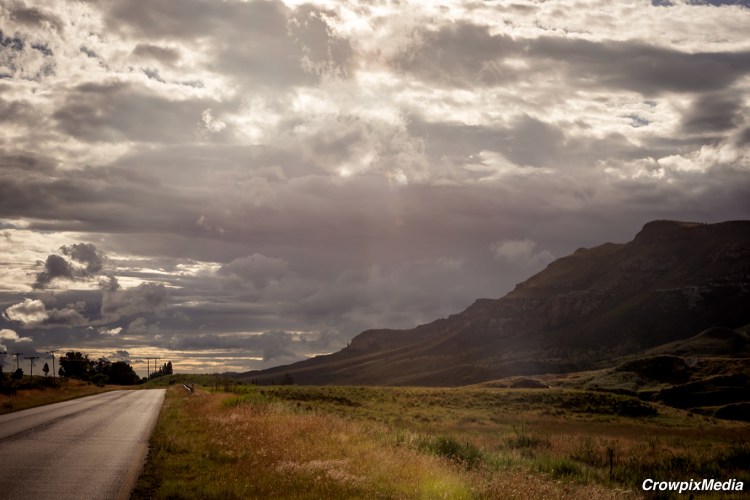
Landscape photography is excellent for learning new techniques like composition and framing, HDR (high dynamic range) images, panoramas, getting to know your manual settings, post-processing techniques, and long exposures that require careful planning of shutter speed settings.
Landscapes Are Everywhere, so There Are Always New Locations For Photos
Landscapes are everywhere. The planet is lovely, and Mother Nature provides landscape photographers with abundant awe and beauty across Earth’s continents. If you, like me, love the great outdoors, visiting new areas, and getting closer to nature, finding stunning landscapes should not be difficult.
But have you ever stopped to think about how many more landscapes there are?
There is always something new to shoot or discover about landscapes. Landscape photography can be done anywhere, from your backyard to the mountains and across oceans.
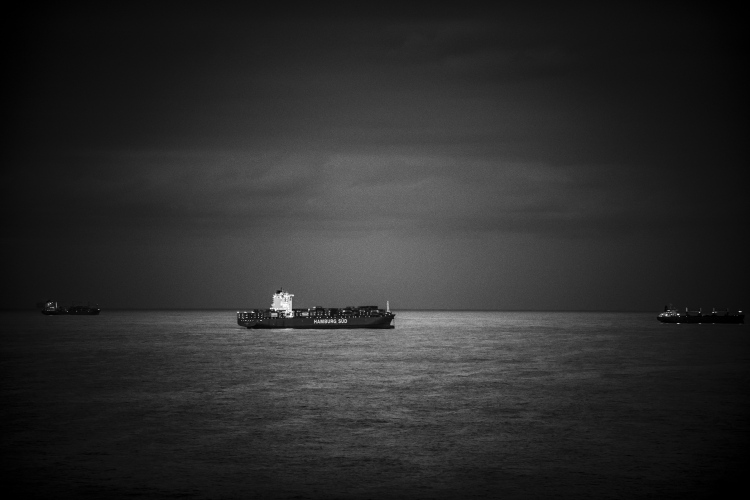
You can capture the world around us—nature’s beauty, serenity, and majesty—in a way that shows off how incredible it is without saying anything. Landscape photography lets you capture your favourite places on Earth in all their glory.
Whether it’s the mountains, oceans or plains, you can showcase these natural wonders with just one click of your camera shutter.
In Conclusion
So get out there and start capturing the landscapes around you. I hope this article inspires you to take up landscape photography as a hobby.
Comment below with your favourite reasons why this genre is so great, or share any tips and tricks that helped you get started. We’d love to hear from you.

Copyright@Crowpixmedia. All Rights Reserved 2026.
 Crowpix Media
One thought on “6 Great Reasons to Get Started in Landscape Photography”