
The rule of thirds is a compositional rule of thumb that can be applied to visual arts such as painting, photography, and design and has been used as a measure of composition since the 1970s. The rule of thirds is an easy way to create exciting photo compositions.
It involves dividing your frame into nine equal parts by placing three lines across the image’s top, bottom, and sides. The rule of thirds is an easy way to improve your photography skills. It helps you create more interesting pictures by placing subjects on the edges or corners of the frame.
For the sake of this article, we will briefly discuss the importance of composition in photography before proceeding to the rule of thirds application.
Table of Contents
- The Relevance of Photographic Composition Rules to Nature Photography
- How to Apply The Rule of Thirds For Improved Photographic Compositions
- Now, You Can Experiment With The Rule of Thirds
- In Conclusion
The Relevance of Photographic Composition Rules to Nature Photography
All types of photography rely on solid composition to deliver a compelling image. Nature photographers must learn about the essential elements of composition and their vision for their compositional goals. Composition is primarily subjective, and there will be some steep learning curves along the way. Views differ on the best composition approaches to nature photography; composition is a personal preference. Opinions on what works and does not work are often debated.
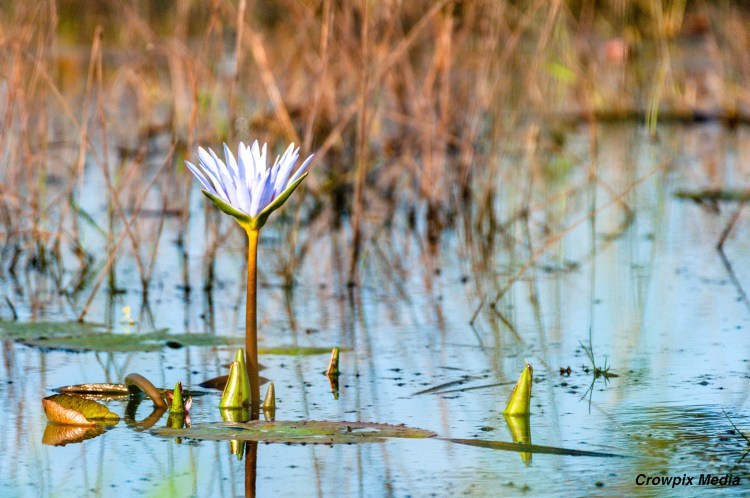
The path to mastering photographic composition challenges our introspective and creative faculties. Therefore, it is not always necessary to apply rules to innovative procedures, but if regulations help you achieve your composition goals, then use them by all means.
Let us consider some crucial elements of the composition further:
- What is the rule of odds in composition?
The rule of odds is a variation of the rule of thirds and the concept of “balance in composition.” The rule of odds is used to create a more dynamic composition.
According to the law of odds, a composition should, whenever possible, contain an odd number of components rather than an even number. Three, five, or seven objects can work. Therefore, a picture should include five animals instead of four and three flowers instead of two.
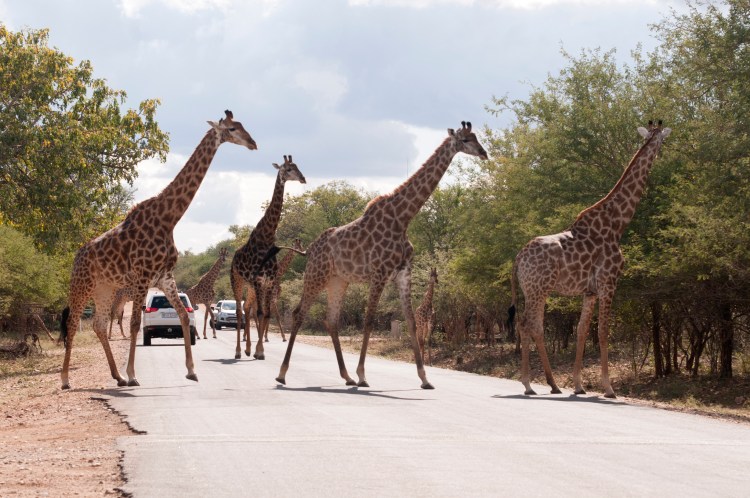
Why? The probability rule takes advantage of the brain’s predisposition towards order-making. When we look at a collection of objects, we automatically desire to pair them off. However, whether a picture has three, five, or seven things, we have a complex group to organise.
If there is an odd number of things, one might take centre stage. At the very least, the viewer will spend more time examining the image and navigating its various components.
- The importance of balancing elements in photographic composition
Balance is an important consideration when composing your image. It determines whether the photo is pleasing and harmonious or uncomfortable and unresolved. Balance is achieved by placing elements of the same weight on either side of the image.

Balance can be achieved by focusing on negative space in the photograph. Negative space is the empty space in a picture, also called white space. Leading lines or adding contrast can make negative space more attractive.
- Use leading lines to improve composition
Leading lines are a great way to direct the eye. Leading lines can be natural or man-made, straight or curved, horizontal or vertical. Look for items in the foreground that set the primary topic up. Foreground items might be a road, a river, a cabin, a flower field, or even clouds. These leading lines are likely to improve an otherwise average image significantly.

The image above shows several leading lines that draw the viewer’s attention to the subject (the person walking along the beach). Leading lines that point to the subject include the beach, the shoreline, the sand’s edge, and the footsteps. Use the rule of thirds to place the subject on the line, as shown in the photo above.
How to Apply The Rule of Thirds For Improved Photographic Compositions
The rule of thirds is a way to divide a frame into thirds, vertically and horizontally.
- Divide Your Frame Into Nine Equal Parts
This will help you achieve more visually appealing images.
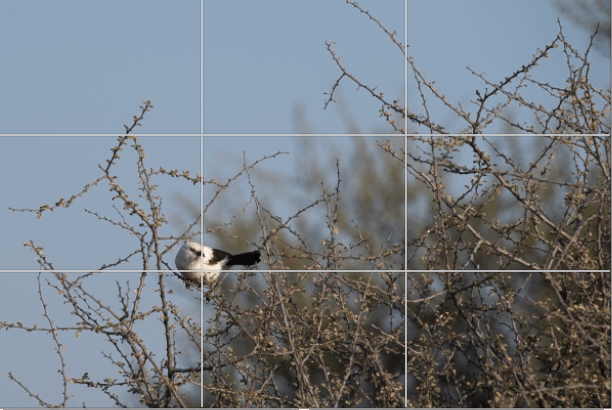
As shown in the photo above, you can divide your frame into nine equal sections using these guidelines. Although it may be challenging to see these lines, most cameras feature a Grid View option in either the Live View or Viewfinder. A grid can also be made visible in the image preview on most cameras.

- Place The Subject at The Intersection of Two Lines
If you’re shooting with a DSLR camera, place the subject at the intersection between the vertical and horizontal lines. This will create three distinct areas of interest.
You’ll notice three main areas of interest in the photo above. Placing these elements in the right places ensures the viewer focuses on them first. You can use this technique with any type of image. This is an easy way to add some visual interest to your photos.
Now, You Can Experiment With The Rule of Thirds
First, find a photo with good composition. Then, divide the image into nine equal parts by drawing three horizontal and three vertical lines across the middle of the picture. Next, take note of where the main elements fall within each section. Finally, move the subject so it falls along one of the lines.

In Conclusion
The rule of thirds is a handy and straightforward composition rule that can help a photographer create a dynamic image. I recommend it as a helpful tool for beginner photographers across all genres.
The rule of thirds is an evident and straightforward starting point if you have no other ideas or need some direction with your composition. Photographers can decide as they progress how they feel about the rule of thirds and if they agree with its effectiveness for their compositional vision. Either way, the rule of thirds has stood the test of time.
It remains a popular choice for creating dynamic compositions, for nature photographers, and for almost all creative photography pursuits.

Copyright@Crowpixmedia. All Rights Reserved 2026.
 Crowpix Media
4 thoughts on “Rule of Thirds: An Easy How To Guide For Nature Photography Beginners”