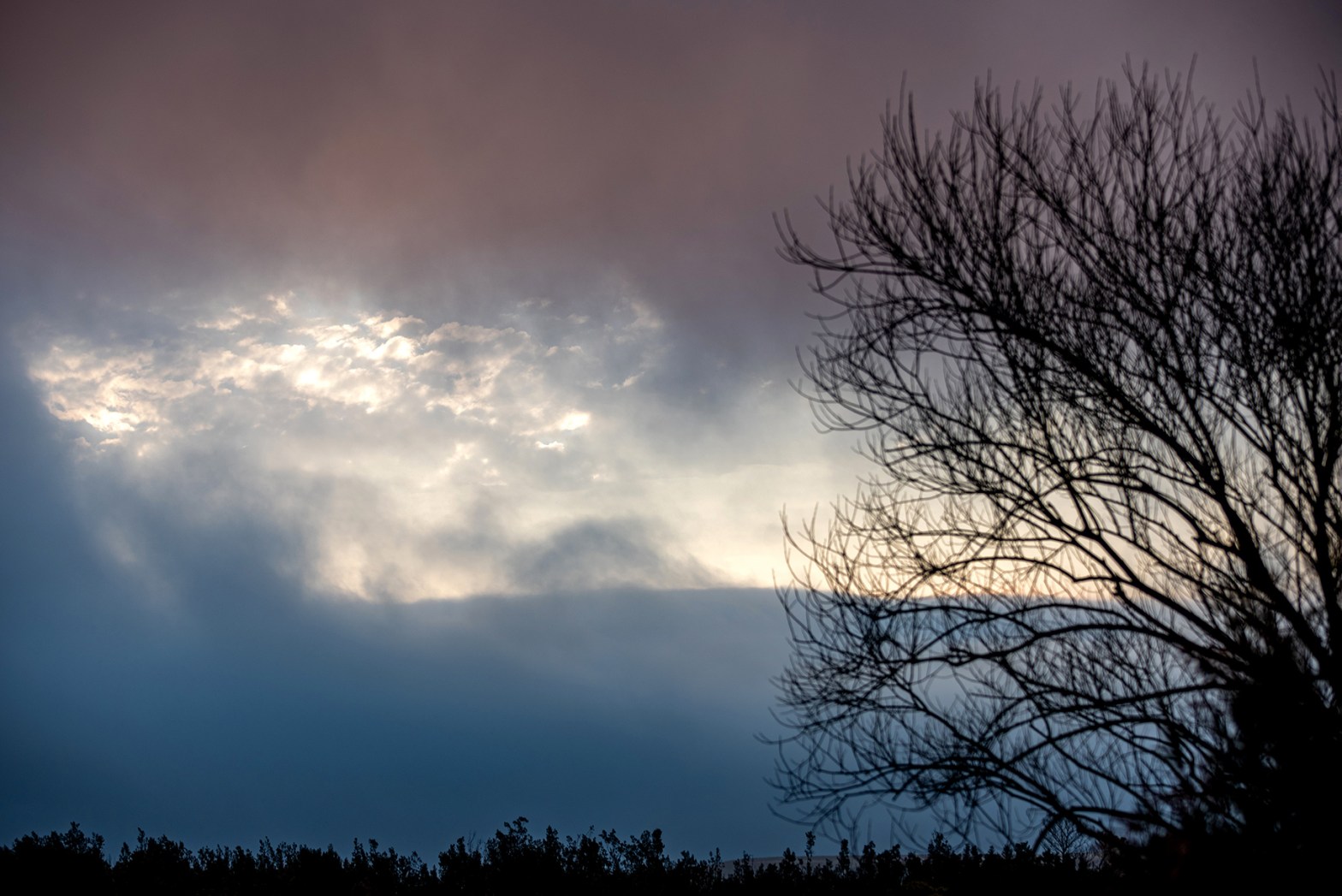
So, you have your landscape photography gear loaded and your hiking boots on.
You are headed to the nature trails in search of those scenic landscape photography gems, but before you go, here are ten landscape photography tips that will be vital while shooting in the field.
Table of Contents
- Maximise Depth of Field in Your Framing and Composition
- Use a Tripod
- Figure Out The Focal Point (subject) of The Photo
- The Photo Foreground Matters
- Look at The Sky
- Lines That Lead The Eyes
- Adapt to The Weather
- Shoot in The Light of The Golden Hours
- Don’t Forget About The Horizon in The Composition
- Search Out Your Photographic Point of View
- In Conclusion
Maximise Depth of Field in Your Framing and Composition
Field depth is achieved by manipulating the f-stop (aperture) setting.
Adjusting the aperture will create sharpness from the foreground to the background of your photo. To maximise your depth of field, you must choose an aperture setting that will cover the full compositional frame.
Unless you want the foreground or background to be out of focus, a setting such as f/8, f/10, or higher could work to maximize depth of field.
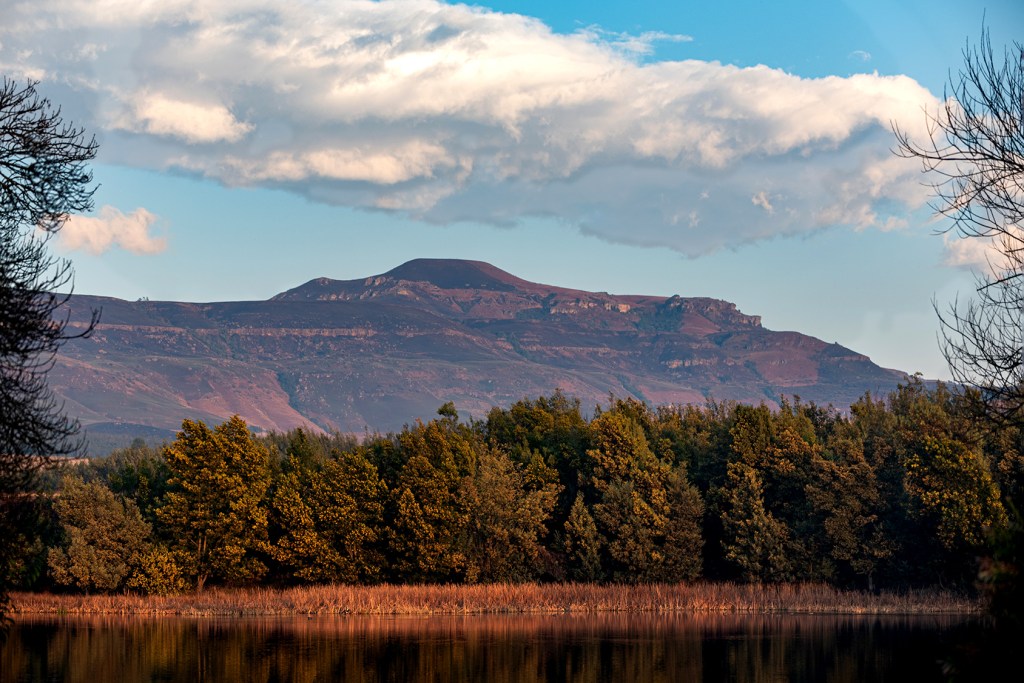
A smaller aperture means less light reaches the sensor, so you must adjust your ISO and shutter speed according to the exposure triangle. There will be a good chance that you will need to use a slow shutter speed when using smaller f-stops to achieve your desired depth of field.
The ISO can then be adjusted to the lowest number possible to fit the exposure triangle.
This is where a tripod could come in useful.
Use a Tripod
As mentioned in the previous paragraph, achieving an extended depth of field will require a small aperture setting. A tripod will likely be needed to reach steady, sharp landscape images and achieve depth-of-field settings.
Tripods can be cumbersome when reaching challenging destinations, but provide much-needed support in achieving sharp images.
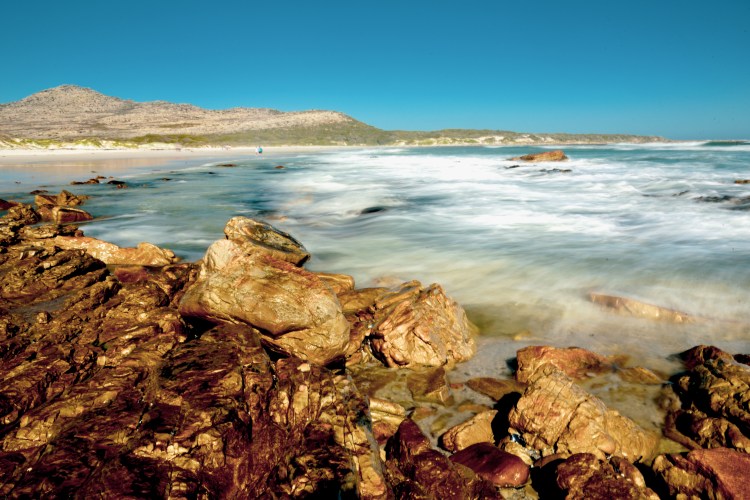
Tripods can also be helpful when shooting at shutter speeds of 1 second, 10 seconds, or 30 seconds when ambient light is low, for example. Tripods prevent camera shake at slow shutter speed settings, so get into the habit of taking your tripod with you.
Figure Out The Focal Point (subject) of The Photo
When composing your scene, a focal point is one of the first things you need to identify. The focal point is the initial contact point for the person who views your image. Focal points are primarily associated with the components of the composition and apply to any type of photograph.
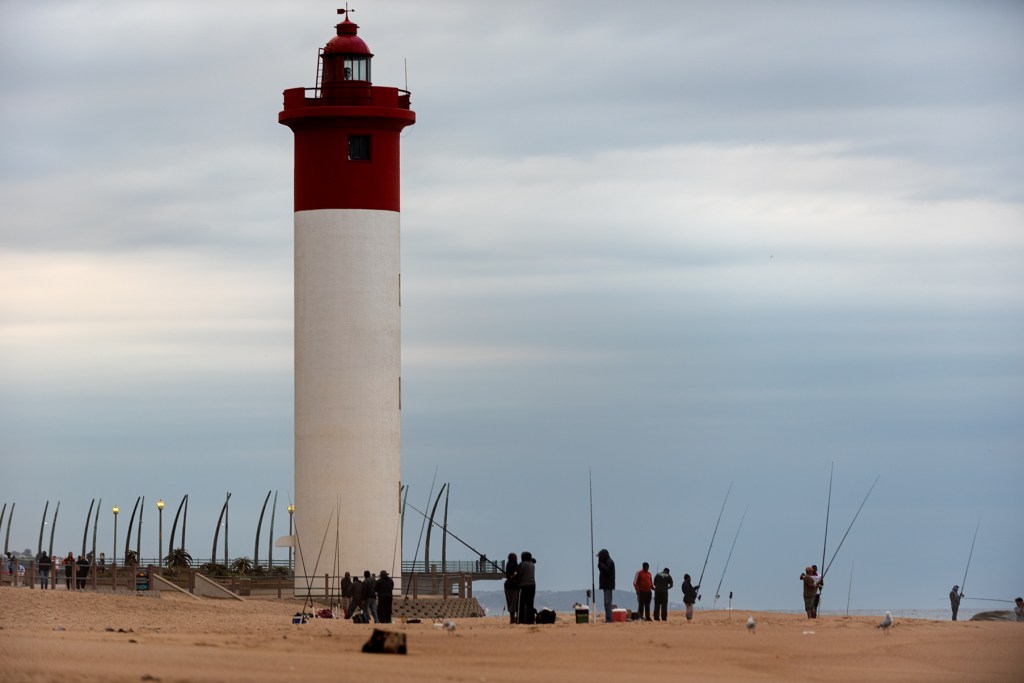
The focal point should grab the viewer’s attention. Any photograph without an obvious focal point will leave the viewer’s eye wandering. For example, a focal point can be several subjects, such as a boulder, a house, a person, an animal, or a tree.
You should also consider the rule of thirds when framing your focal point.
The Photo Foreground Matters
Foregrounds help to grab the viewer’s attention and create a sense of dimension to your landscape photos. Here, we need to refer back to the depth of field. Your photo’s foreground, midground, and background add a sense of depth and dimension.
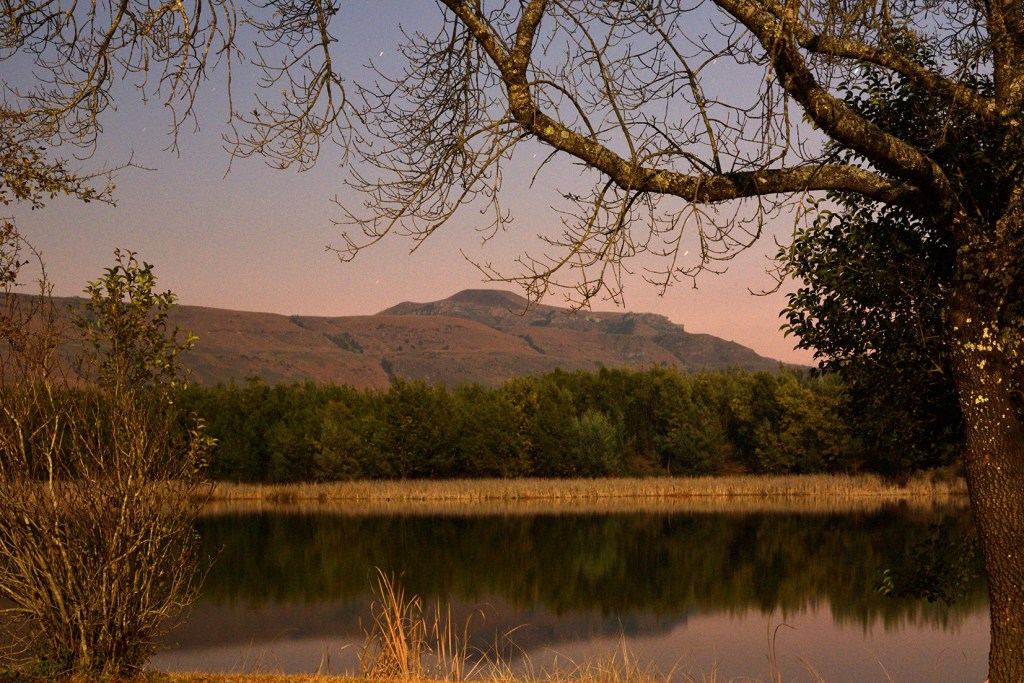
The foreground leads the viewer’s eye into the composition, creating a natural path for the eye to follow.
Look at The Sky
In landscape photography, you must always consider the sky in your composition. The sky can make or break the overall appeal of the image. Often, skies can be bland, washed-out, or distracting to the photo.
A photographer must choose between the sky and the foreground, and which will dominate the photo (think two-thirds of the rule of thirds).

Graduated and polarising filters can be a solution for bland skies. Skies can also be adjusted in the photo’s post-processing. Skylines can sometimes be readily dramatic, with cloud and sun combined as the image’s dominant focus.
Lines That Lead The Eyes
How are you leading the viewer’s eye in your images?
Leading lines are an element of composition that helps deliver impact in your photo, as shown in the example below.
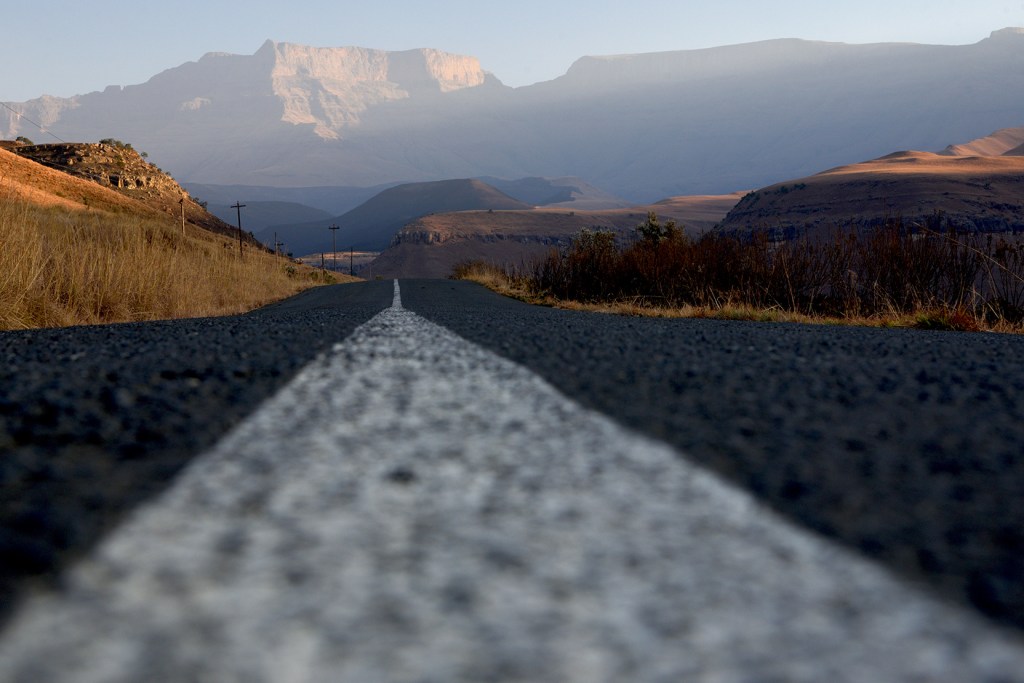
Leading lines guide the viewer’s eyes through the photo to the image’s subject (focal point).
Leading lines can be created by colour, contrast, or light, not just a literal line. Leading lines, including S and Z, must be dominant enough to be noticed.
Adapt to The Weather
Naturally, the weather is a significant consideration in landscape photography. A photographer has no control over the weather (to the best of my knowledge).
However, weather can be predicted to some degree, and one only needs to wait for the right opportunity to capture that special landscape photo moment.
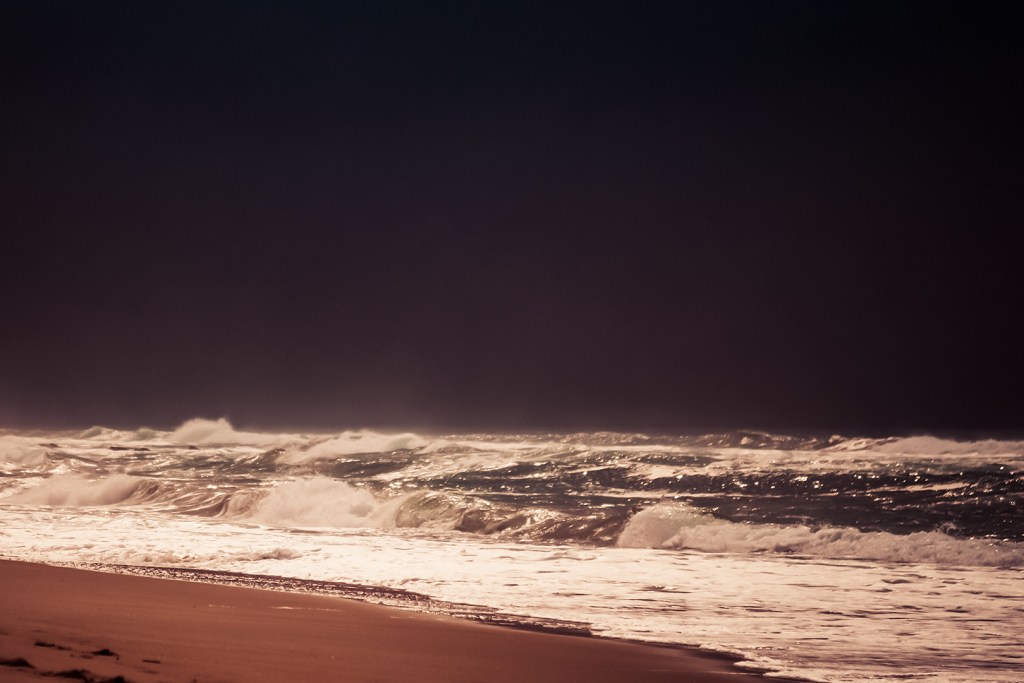
Both good and bad water conditions affect landscape photographers in the field and can provide exciting opportunities for unique landscape photos.
Inclement weather, such as storms, wind, mist, dramatic clouds, sunset, and sunrise, can sometimes provide unexpected yet awe-inspiring landscape scenes with mood.
Shoot in The Light of The Golden Hours
Photography is often described as painting with light. Hence, light is the not-so-secret ingredient distinguishing between an ordinary and an extraordinary photo. The correct use and understanding of light is the essential elixir for most landscape photos, the holy grail, so to speak.
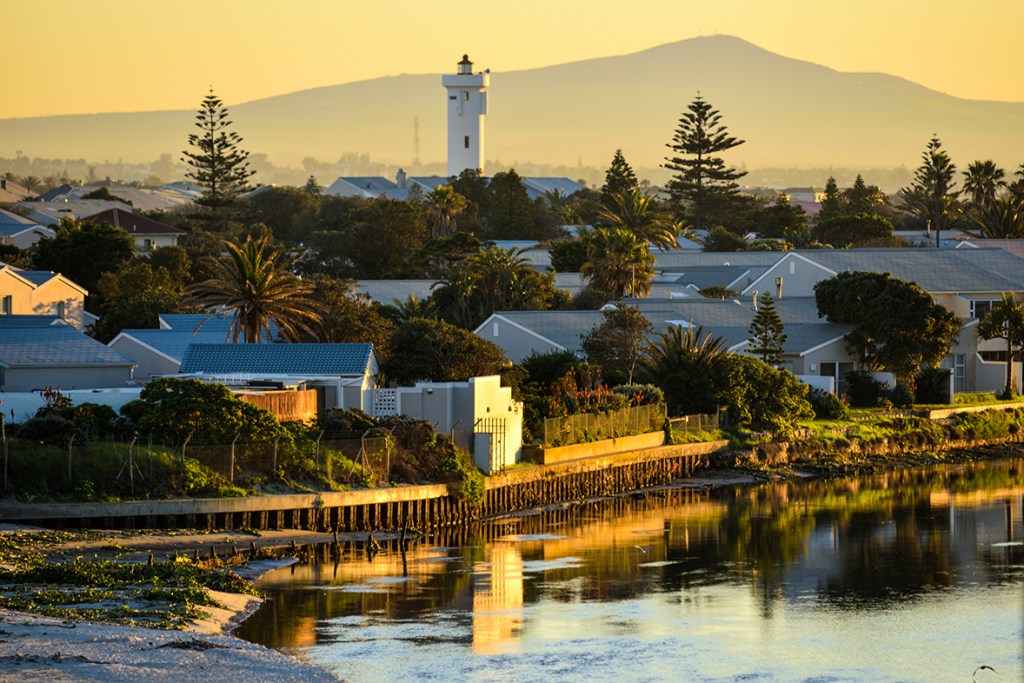
The golden hour is about two hours before sunrise and two hours before sunset. The golden hour’s soft and warm light accentuates the image’s textures, patterns, and dimensions.
Don’t Forget About The Horizon in The Composition
Another composition-based consideration in landscape photography is the horizon. The horizon must be straight. When shooting, the trick with the horizon is to line your camera up straight to the horizon.
This can be quickly done when using a tripod that has level meters, either on the tripod or on the camera screen (digital level). Horizon lines can also be manipulated during post-processing.
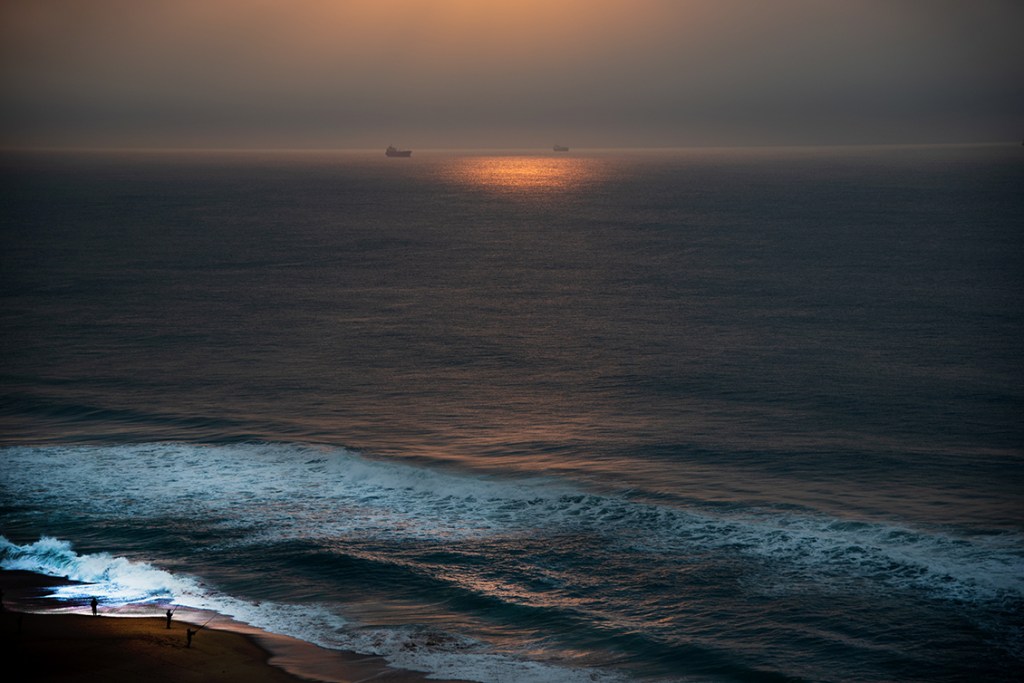
Another consideration is where you will place the horizon line within your composition. Here, the rule of thirds is a good indicator of horizon placement.
Search Out Your Photographic Point of View
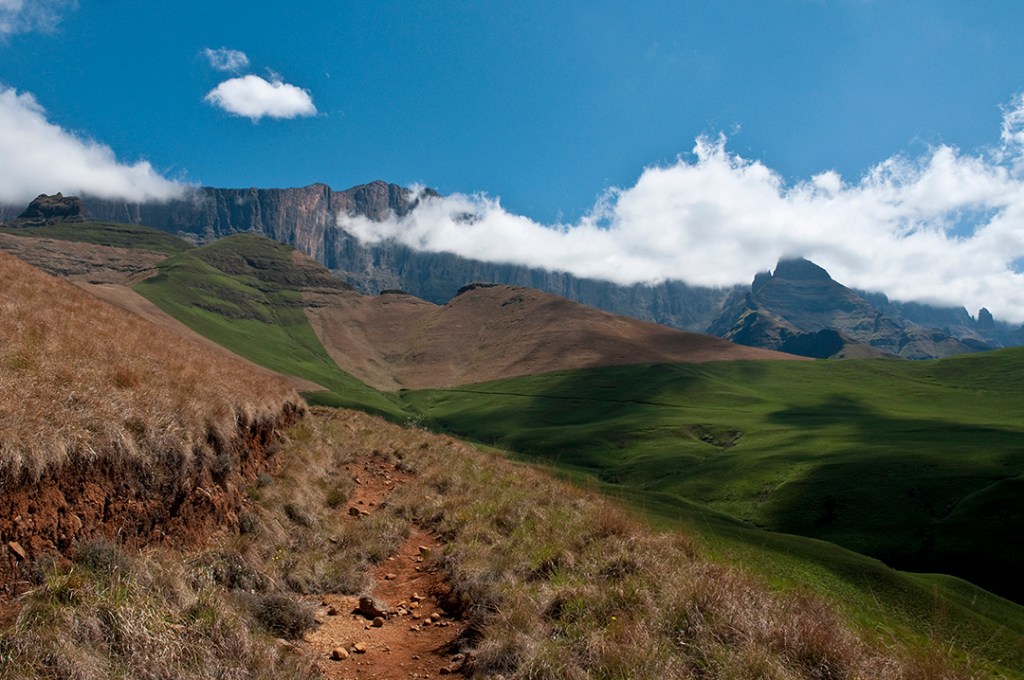
Angles play an important role in landscape photography. Changing your point of view can alter the image in fundamental ways. Try a few different approaches when composing your shot. Trying different angles may mean walking or driving further to find the point of view that captures the wow shot.
In Conclusion
Getting into nature to engage in landscape photography is great fun.
It is also relaxing and profoundly fulfilling. At the end of the day, we want to post-process the best photos possible. Considering the above tips for your next outdoor excursion, you should achieve better results.
As always, happy shooting.

Copyright@Crowpixmedia. All Rights Reserved 2026.
 Crowpix Media
5 thoughts on “10 Fundamental Tips to Improve Your Landscape Photography”