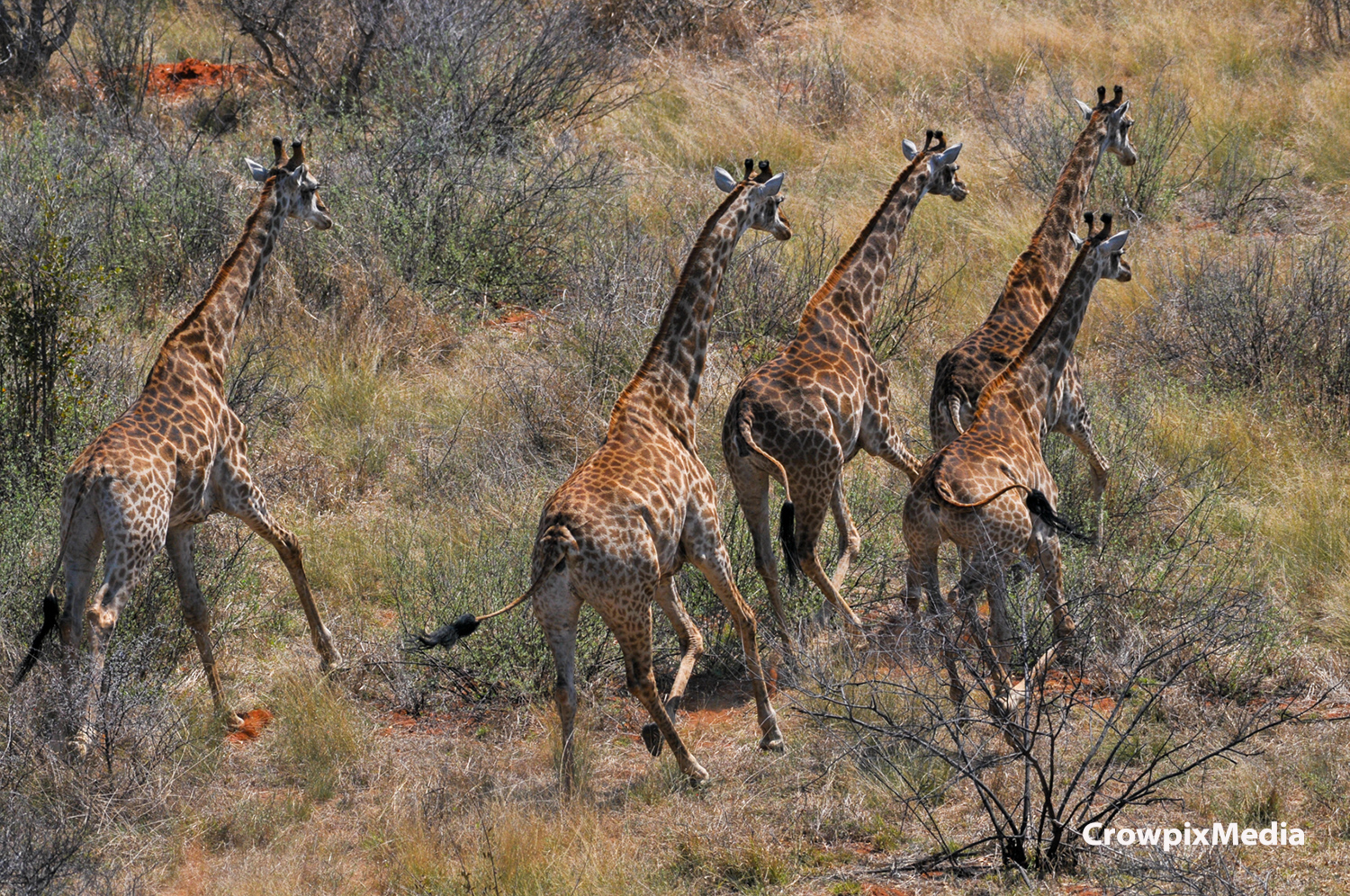
Wildlife’s breathtaking beauty and profound significance in conservation photography are essential for raising awareness and inspiring action. One way to do this is to photograph wildlife from the air.
Aerial photography offers stunning perspectives of animals in their natural habitats and highlights the broader ecological contexts that ground-based shots often miss.
In this blog, we’ll explore the significance of aerial wildlife photography, the techniques involved, and its impact on conservation efforts.
Table of Contents
- Table of Contents
- The Importance of Aerial Photography Perspectives
- Understanding Wildlife Behaviour for Aerial Photography
- Choose Aerial Conservation Photography
- Research The Best Location For Your Aerial Photography
- Conclusion
The Importance of Aerial Photography Perspectives
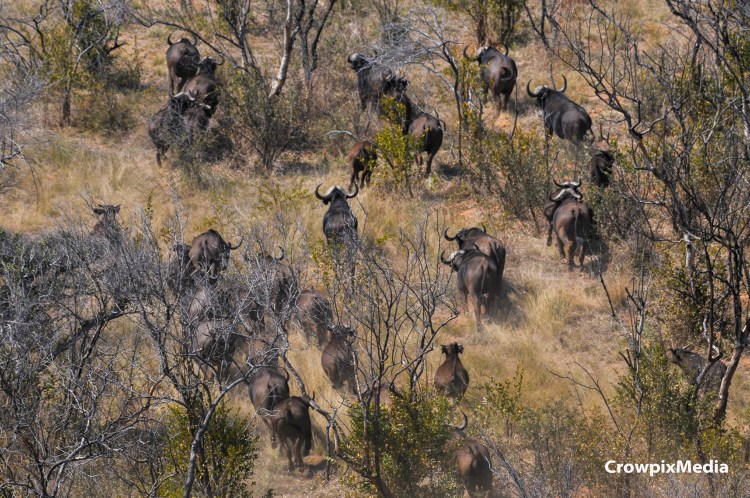
Aerial photography provides a unique vantage point that can reveal the intricate relationships between wildlife and their environments. From above, photographers can capture animal migration patterns, the vastness of their habitats, and the effects of human encroachment.
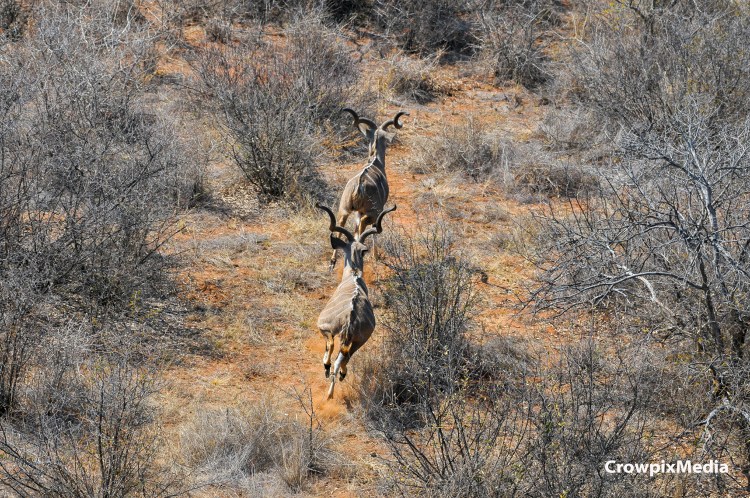
This perspective is particularly vital in conservation efforts, as it helps visualise the scale of threats such as habitat destruction, climate change, and pollution. For instance, capturing a herd of elephants traversing the savanna from the air can showcase their movement patterns and how they interact with the landscape.
Understanding Wildlife Behaviour for Aerial Photography
Successful wildlife photography, especially from the air, requires a deep understanding of animal behaviour. Knowing when and where animals are most active allows photographers to plan their aerial shoots effectively.
For example, many animals are more active at dawn and dusk, when lighting conditions are optimal for stunning photographs. This understanding equips photographers and helps them feel confident in capturing the perfect shot.
- Minimizing Disturbance
When shooting wildlife from the air, it’s essential to minimise disturbance to animals. Drones should be flown at a safe distance, and pilots must comply with regulations to protect wildlife.

Ethical considerations are paramount in conservation photography, as the goal is to document and protect, not disrupt.
- Capturing The Environment
While focusing on wildlife is essential, capturing the surrounding environment enhances the conservation narrative. Wide shots that include landscapes, water bodies, and vegetation can provide context and tell a more comprehensive story about the habitat and its inhabitants.
- Impact on Conservation Efforts
Aerial wildlife photography serves as a powerful advocacy tool for conservation. Stunning images can generate public interest and support for wildlife protection initiatives, engage stakeholders, and drive fundraising efforts. Organisations can use these visuals in campaigns, social media, and exhibitions to raise awareness about wildlife threats and the importance of conservation efforts.
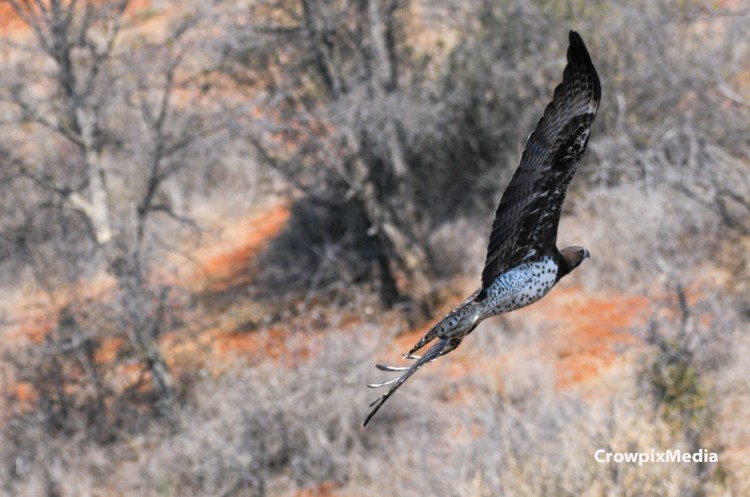
Moreover, aerial photography is crucial in scientific research by providing data on population sizes, habitat use, and migration routes. This information is invaluable for conservationists developing effective strategies to protect endangered species and their habitats, and for keeping us all informed and knowledgeable about the state of our planet.
Choose Aerial Conservation Photography
Choosing a subject for your conservation photography is not just a decision; it’s a commitment. It should be something you are deeply passionate about, something you can learn more about, and something you can use to inspire and educate others. The process of choosing your subject should be engaging and thought-provoking, ensuring that it is fascinating not only to you but also to a broader audience.

For example, if you love animals and want to take pictures of them but aren’t sure where to start, consider what kind of animal photography would be most interesting to people who aren’t necessarily photographers themselves.
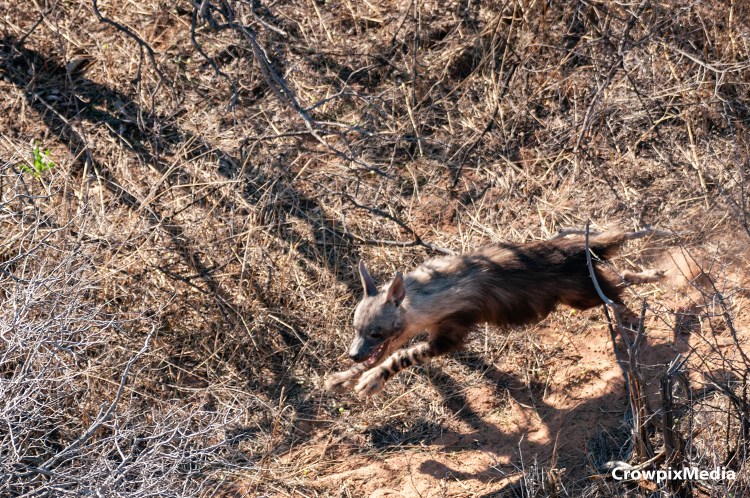
They may enjoy seeing photos taken up close or from a distance, and they like images with bright colours or muted tones. Once you’ve determined which types of photos would appeal most broadly (and why), go ahead and start shooting.
Research The Best Location For Your Aerial Photography
Before you head out, it’s essential to research the location you want to photograph and learn as much as you can about it. This will help ensure that your time spent in nature is well spent.
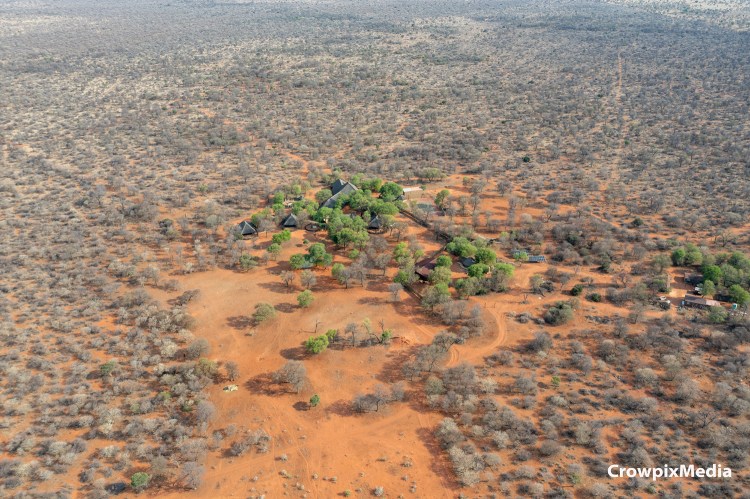
Researching a location before going there will help ensure you have enough time to pre-visualise before setting up a shot. Research also provides photographers with insight into which subjects may be found in an area and where they might be located.
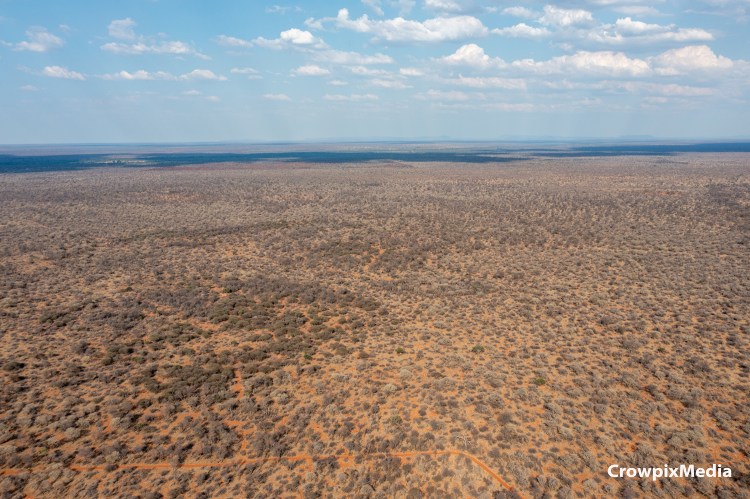
Pre-visualise how you want your image to look at home, then learn what makes it unique before setting up the shot in front of you.
- Pre-visualising your image is a key step in the photography process. It involves considering your photograph’s appearance before you take it. This practice is essential because it helps you understand what makes your subject unique and enables better composition when setting up the shot.
Conclusion
In conclusion, conservation photography – mainly photographing wildlife from the air – is a vital practice that blends artistry with advocacy. Photographers can use aerial perspectives to capture compelling images that tell powerful stories about wildlife and their environments.
As we continue to face environmental challenges, the role of aerial wildlife photography in conservation efforts will remain crucial in educating the public and inspiring action to protect our planet’s precious ecosystems.
Whether you’re a seasoned photographer or an enthusiastic beginner, embracing aerial photography can have a significant impact on conservation.
Want to learn more about photography techniques? Then check out our Photography Tutorial Ebook here.
Copyright@Crowpixmedia. All Rights Reserved 2025.

 Crowpix Media