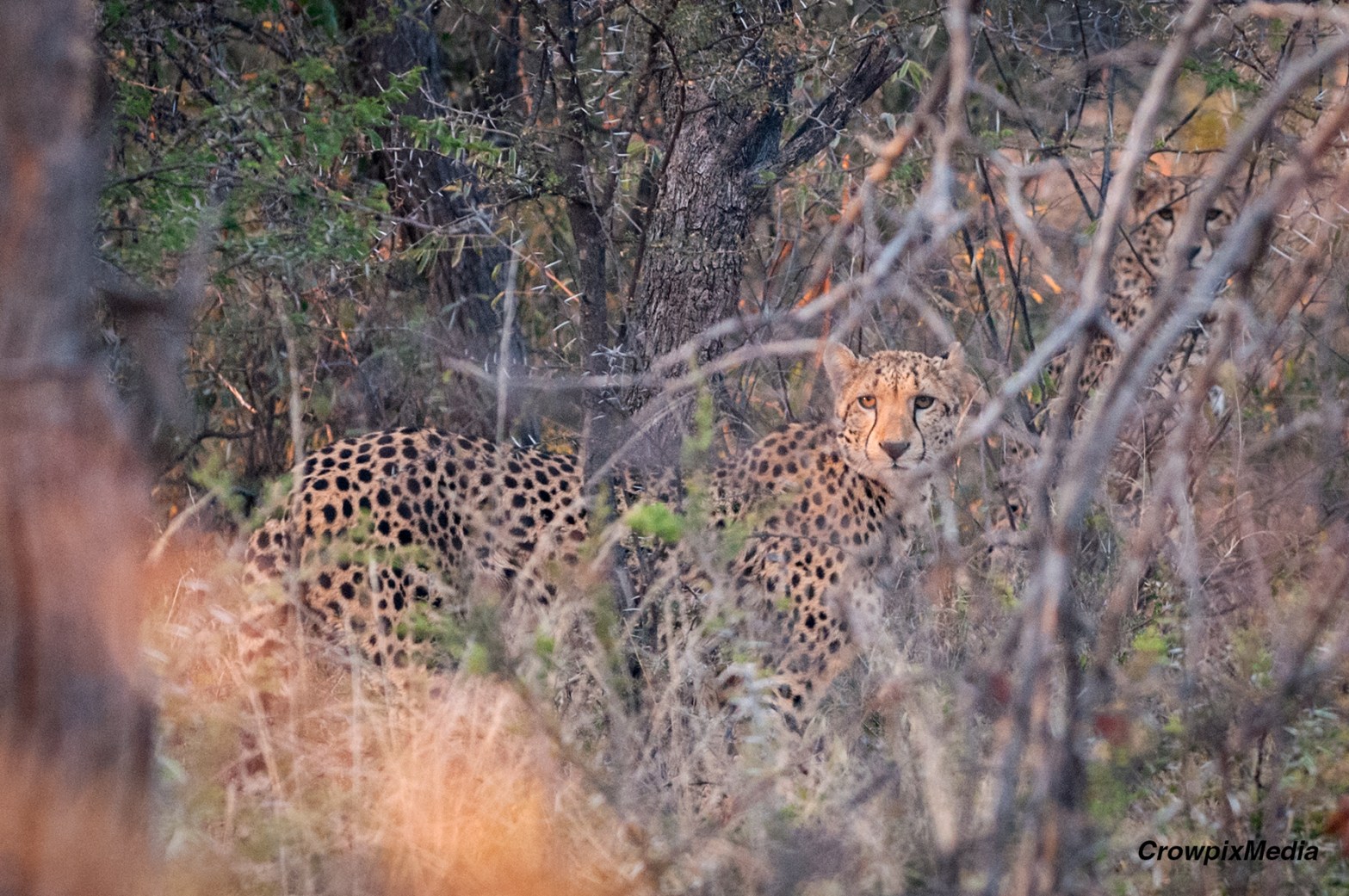
Conservation photography is a way to preserve essential environments and their inhabitants. Whether you’re a professional or an amateur photographer, there are many reasons why conservation photography is an important quest. In this article, I’ll explore five: storytelling, the catalyst for action, knowledge base, empathy for the subject, and legacy.
Table of Contents
- Table of Contents
- Photographic Visual Storytelling
- A Catalyst For Conservation Action
- A Conservation Knowledge Base
- Creating Empathy For The Conservation Subject
- Leaving an Environmental Conservation Legacy
- Conservation Photography Preserves Environments And Their Inhabitants
- Conclusion
Photographic Visual Storytelling
There is an exciting relationship between conservation photography and storytelling. Conservation photographers are often passionate about their subjects and tell engaging stories with their images.
History’s most iconic animal photographs have been used to promote conservation efforts and educate the public on environmental issues such as species loss and endangered wildlife crime.

Since their invention, photographs have been used in various ways: they’ve been used as tools for science, art, and journalism; they provide evidence of crimes or injustices; they have documented historical events; and they have inspired people everywhere to take action on issues that matter most to them.
In short, photography can tell many different types of stories.
A Catalyst For Conservation Action
Because of images’ impact on people, conservation photographs can be powerful tools in raising awareness and inspiring action. Using your photos to spread the word about conservation issues, you can help raise money for different projects.
A great example is when images are used as part of an exhibition or event; they provide information about the issue at hand and make it more appealing to viewers (who may otherwise be disinterested) by showing them how beautiful and fascinating nature really is. When you take pictures of endangered species and their habitats while they’re still alive, those images can be used as evidence that these animals exist—and, therefore, must be protected from extinction.
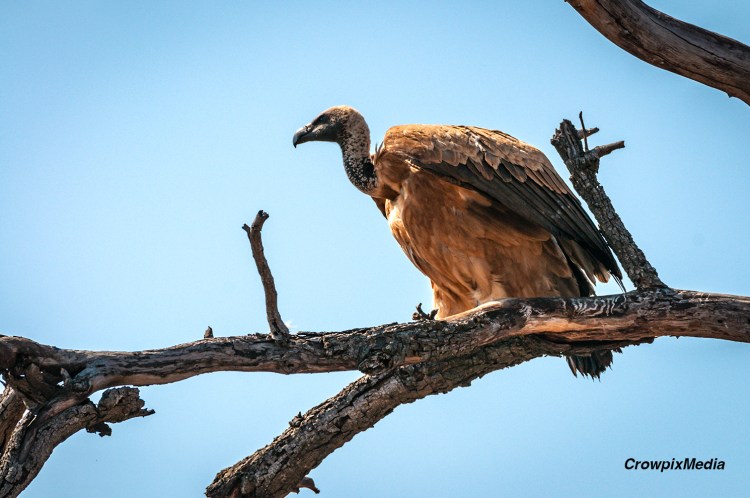
The same goes for other endangered species like African vultures; if no photos were documenting their existence today, then we’d probably assume they had disappeared long ago due to man’s overhunting practices. But now we know better, thanks to visionary photographers who use their cameras as weapons against extinction by capturing crucial evidence needed before we lose them forever.
A Conservation Knowledge Base
Various online conservation knowledge bases are accessible databases that provide information about species conservation and their habitats. These knowledge bases are intended to be comprehensive and useful for society, science, and researchers to use and promote conservation issues.
Hundreds of thousands of species are added to the knowledge bases every year.

Over 1 million records currently include information about species’ distribution, population trends, habitat requirements, and threats from human activities such as logging or mining. Users can also find information on species that are already extinct or under threat of extinction.
The global data centre at the Smithsonian Institution’s National Museum of Natural History (NMNH), in collaboration with the Centre for Biodiversity Outcomes at Stanford University and many other partners worldwide, has one of the most developed conservation databases.
Creating Empathy For The Conservation Subject
Conservation photography is a powerful way to raise awareness and help protect at-risk species. It can be an effective tool for conservation organisations or even individuals as they work to educate people about the threats faced by wildlife and habitats.
As advocates for biodiversity and endangered species, we are responsible for using our creativity and skills to serve essential causes. While there are many ways to do this — including writing, speaking, teaching and publishing — I believe photography has incredible power to inspire empathy for conservation subjects.
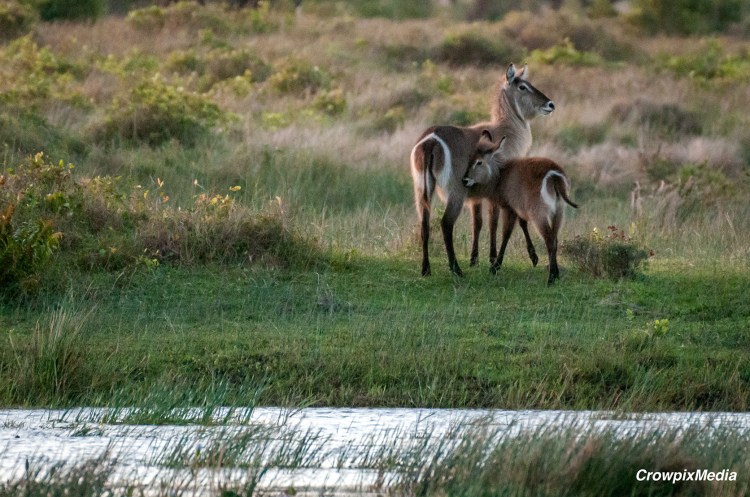
Why does empathy matter? Empathy is essential in any successful conservation campaign because it can motivate people to act on behalf of needy animals. Without it, there’s no reason for anyone else to care about what happens to a particular species or habitat. And if people don’t care about what happens to an animal or place, why should they donate their time or money toward protecting it?
Leaving an Environmental Conservation Legacy
What you pass on to your children and grandchildren is important when leaving a legacy. But what about the planet? As you consider your options for passing on wealth or assets, consider your choices on the environment.
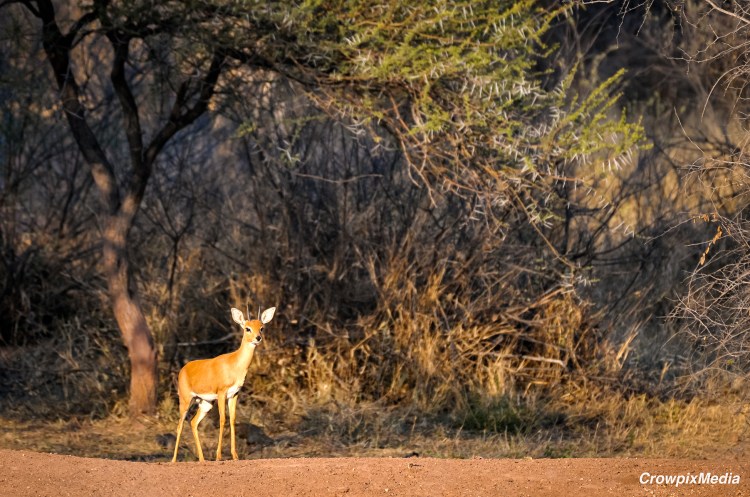
Donating to environmental causes is essential for individuals to help protect the planet while ensuring their money will be used well.
Here are some considerations when deciding how to leave an environmental conservation legacy:
- Give directly to organisations that work on specific issues. Some organisations focus on a single issue, such as climate change or air pollution. Others work across multiple topics, such as wildlife conservation or ocean preservation. Find out which organisations do the best work in your area of interest and donate directly to them instead of giving through a general fund that may not be able to focus as tightly on your issue of choice.
- Consider starting a donor-advised fund (DAF). You may want to set up a DAF through your community foundation or another local nonprofit organisation to give over time without making annual gifts; this may be an ideal option if you don’t wish to be involved with an organisation’s activities.
Conservation Photography Preserves Environments And Their Inhabitants
Conservation photography is a powerful tool for preservation. It can transform people’s perceptions of endangered species, inspire them to take action and protect nature for future generations. Conservation photography is making a difference. The Natural History Museum in London recently announced that conservation photography has helped preserve more than 100 species, including the mountain gorilla and the golden snub-nosed monkey.
Those are just two examples of many successful projects undertaken with conservation photographers’ help. A recent study found that almost half (44%) of people who saw an image of an endangered animal online felt compassion towards it and wanted to help protect it. In addition, 45% said they would be willing to change their behaviour or lifestyle if they knew an animal was threatened by extinction.

Conservation photography helps us understand the unique characteristics and behaviours of each species we encounter in nature. It also gives us a deeper understanding of how human activity affects animals and their habitats—and what we can do about it.
The Smithsonian Institution’s National Museum of Natural History has been documenting endangered wildlife since 1848, when photographer John Hagen took some shots of native Californians on display at San Francisco’s Crystal Palace.
Conclusion
Whether you’re a photographer, a scientist, or someone who wants to save the world, conservation photography can be an essential part of your journey.
It’s not just about taking beautiful pictures for everyone else to see—it’s also about learning about the world around us so that we can all make better decisions about our impact on it and help preserve the beauty of the natural world.
The next time you are out in nature with your camera, consider how you can make a difference with conservation photography.

Copyright@Crowpixmedia. All Rights Reserved 2026.
 Crowpix Media
3 thoughts on “6 Good Reasons Why Conservation Photography is an Important Quest”