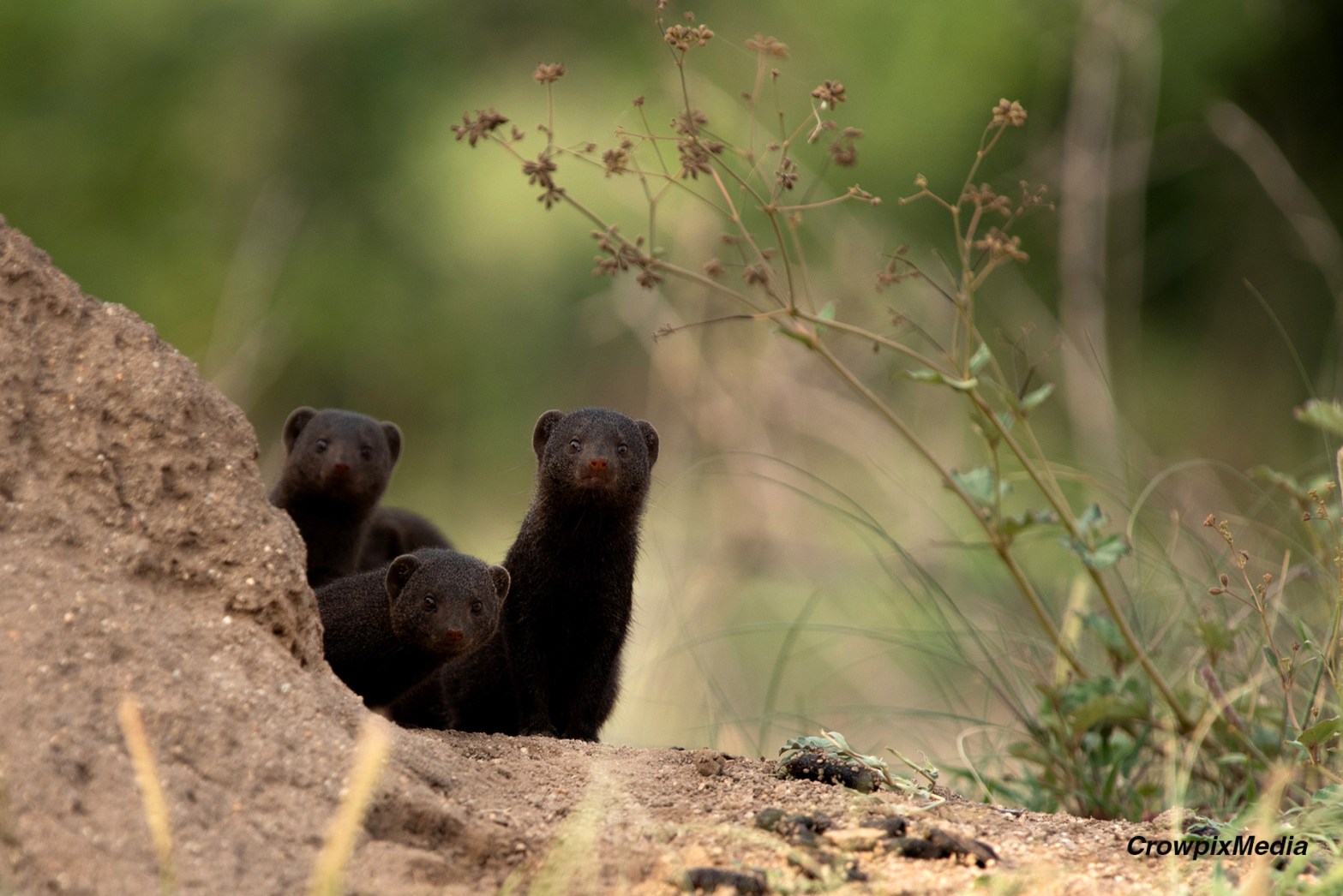
Are you passionate about wildlife photography? Do you dream of capturing breathtaking images of majestic creatures in their natural habitat? If so, then this article is for you. Unleash your inner photographer and embark on an exciting journey into wildlife photography. Not only will you have the opportunity to express your creativity and capture stunning images, but you can also turn your passion into a profitable venture.
This article will equip you with the knowledge and skills necessary to succeed in this competitive industry. From choosing the right equipment to mastering composition techniques, we will cover everything you need to know to take your wildlife photography to the next level. So grab your camera and get ready to explore the wonders of the natural world while making money doing what you love.
Table of Contents
- What is Wildlife Photography, and why is it important?
- Essential Gear for Wildlife Photography
- How do Wildlife Photographers Earn Money?
- You Can Sell Your Images as Stock Photography
- Doing Photography Workshops to Earn Money
- You Can Write Articles And Get Paid
- Participating in Photography Contests and Exhibitions
- You Can Get Commissioned to Take Wildlife Photographs
- Collaborating with Brands and Organisations
- A Summary of Ways to Monetise Your Wildlife Photography
- In Conclusion
What is Wildlife Photography, and why is it important?
Wildlife photography is the art of capturing the natural environment in photographs; for many photographers, it is more than a hobby. For some, it’s a profession, while others consider it a passion. One of the most critical photography goals is to elicit emotions and reactions in those who view your images.
Appealing to the viewer’s feelings applies to any photography, whether wildlife photography or landscape images—they tell stories when taken from different perspectives. Many photographers have sold their wildlife photographs to magazines, newspapers, and travel websites. Wildlife photographers have also organized shows to present their art and profited handsomely.

Wildlife photography is not just about capturing beautiful images of animals; it is crucial in raising awareness and promoting conservation efforts. You can educate and inspire people to protect and preserve wildlife and their habitats through your photographs.
By capturing the beauty and vulnerability of these creatures, you can evoke emotions and encourage viewers to take action. Wildlife photography can connect people with nature, reminding them of the importance of biodiversity and the need to protect our planet’s ecosystems. So, wildlife photography serves a greater purpose beyond its artistic and commercial value.
Essential Gear for Wildlife Photography
When it comes to wildlife photography, having the right gear is essential. A high-quality camera and lenses will allow you to capture intricate details and stunning wildlife moments. Invest in a DSLR or mirrorless camera with fast autofocus, high ISO capabilities, and burst shooting mode.
Selecting the right camera and lenses for wildlife photography can be overwhelming, with many options. Your chosen camera should have a high-resolution sensor, good low-light performance, and a fast burst rate. Full-frame cameras are preferred for their superior image quality and low-light capabilities.
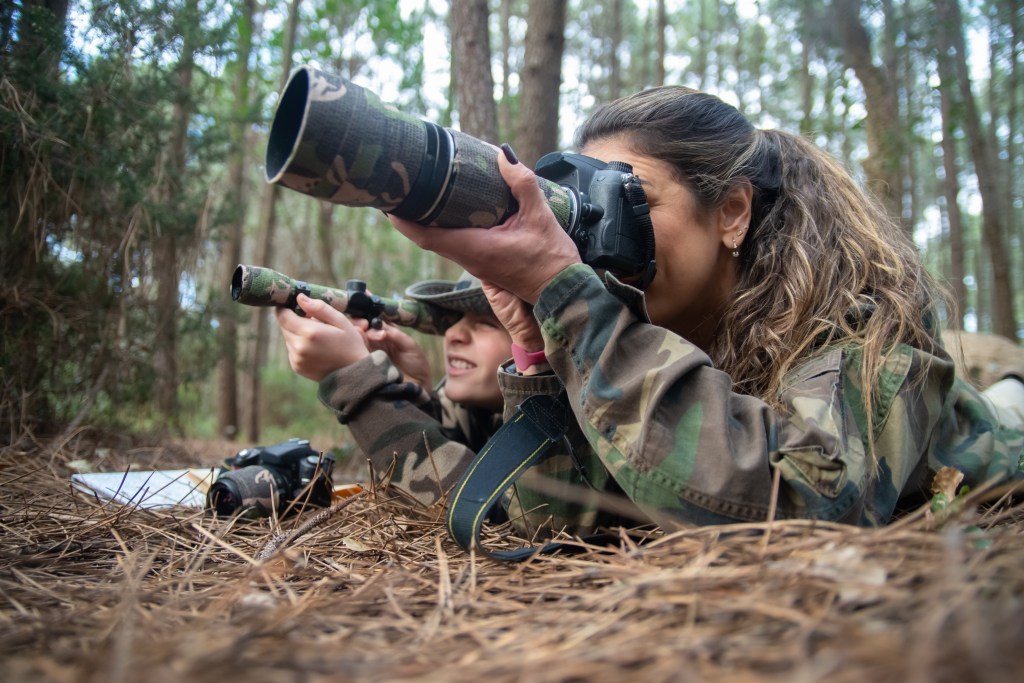
Telephoto lenses with a long focal length are crucial for close-up shots without disturbing the animals. Additionally, a sturdy tripod, a teleconverter, and a camera bag are some of the other pieces of equipment you should consider. Wildlife photography often involves long hours in challenging environments, so choose durable and weather-resistant gear.
As for lenses, telephoto lenses with focal lengths of 200mm to 600mm are ideal for capturing wildlife from a distance. When choosing lenses, consider factors like image stabilisation, aperture range, and weight. Remember, investing in quality gear will significantly enhance your ability to capture stunning wildlife photographs.
How do Wildlife Photographers Earn Money?
You can earn money from wildlife photography in various ways. Most photographers begin by selling their stock photos to agencies and websites like Getty Images and Shutterstock. Accepting your images won’t be simple, but once you do, you may have a passive cash stream for years.
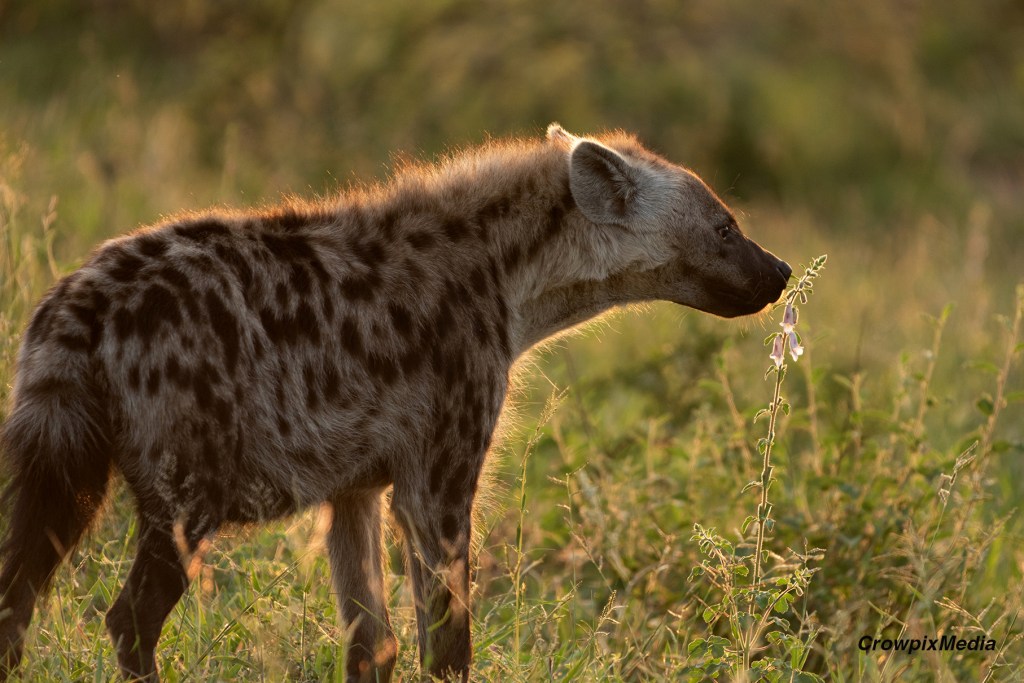
Most people believe they may stop trying at this point because they have realised their dream of having their pictures recognised. The truth is that over 100 million photos are now available on the internet, so the bar has been set extremely high. It’s not enough to sell photographs on a website or agency. To excel in this field, you must think outside the box.
You Can Sell Your Images as Stock Photography
The internet has opened up endless possibilities for selling and showcasing your wildlife photographs. Here are some platforms and strategies to consider when selling your wildlife photographs online:
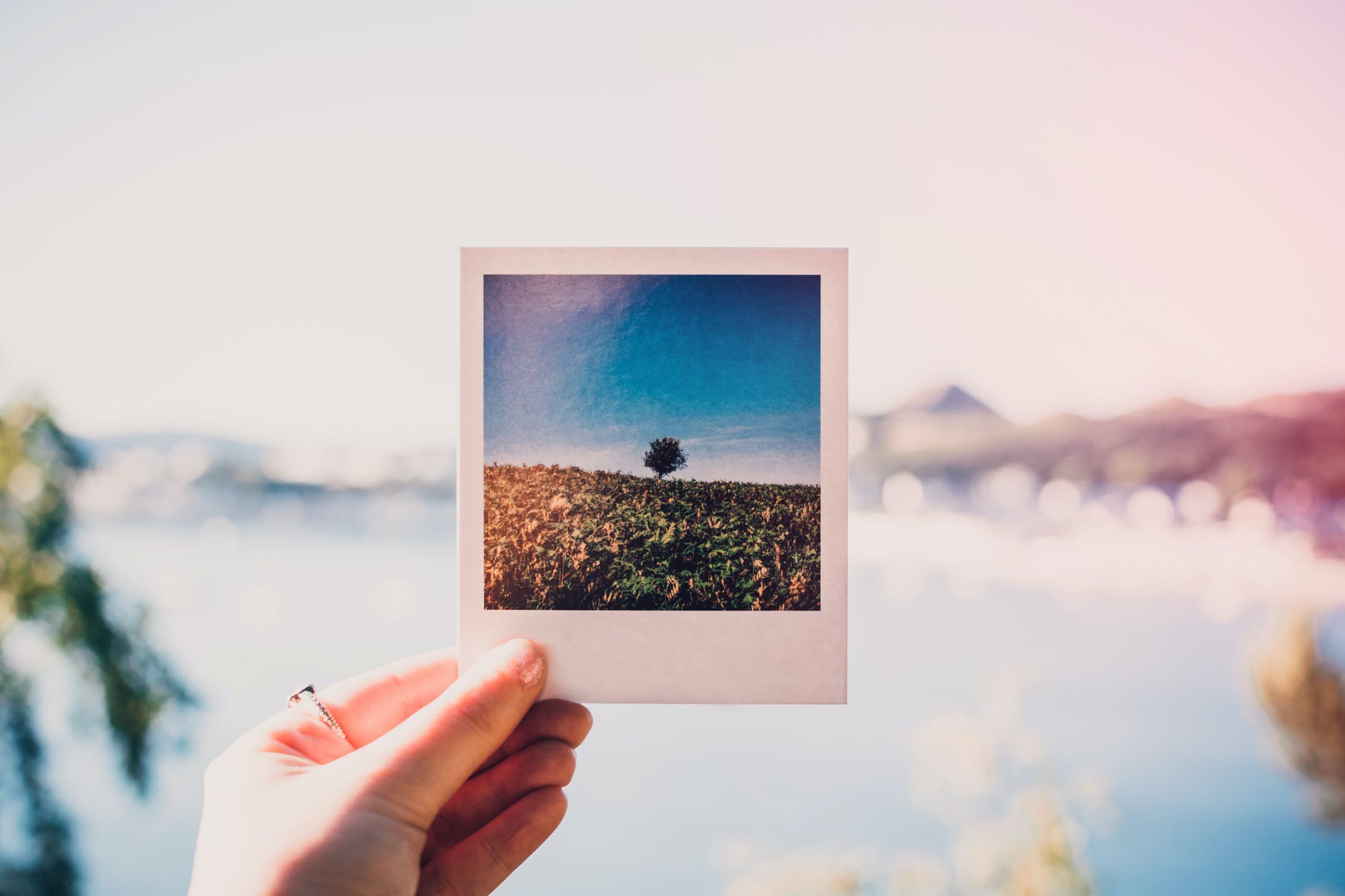
- Create your own website: Build a professional website to showcase your portfolio and sell your prints directly to customers.
- Online marketplaces: Utilise online marketplaces specifically designed for photographers, such as SmugMug, Fine Art America, or Etsy, to sell your prints.
- Print-on-demand services: Use print-on-demand services like Printful or Printify to handle printing, packaging, and shipping while you focus on creating and marketing your images.
- Social media marketing: Leverage social media platforms like Instagram, Facebook, or Pinterest to promote your work, connect with potential buyers, and drive traffic to your online store.
- Collaborate with influencers: Partner with social media influencers or wildlife enthusiasts who align with your brand to expand your reach and attract new customers.
You can profit as a wildlife photographer by selling stock photographs to agencies and online libraries. Websites and other business reasons, such as advertising, use stock pictures regularly for design, editorial, or news purposes. A photographer will need many images online to make decent money, but stock images can provide a passive income for years.
There are also microstock sites, such as Adobe Stock or Shutterstock, where you may sell your photographs for a lower price but get a higher percentage of the transaction. These sites are more common among site designers who need a lot of photos.

You can sell your photographs on websites like iStock Photo and Dreamstime. The licensing costs vary depending on the size of the image and range from 10% to 50% of the stock agency’s price. You get a royalty fee if a customer uses your photo on their website or in a magazine article.
Doing Photography Workshops to Earn Money
Consider organizing workshops and tours where people can go into the field with specialists and learn directly from them to share your knowledge and enthusiasm for wildlife photography with others (primarily if you reside in a prime area). It’s a fantastic opportunity to share your knowledge while also earning money.
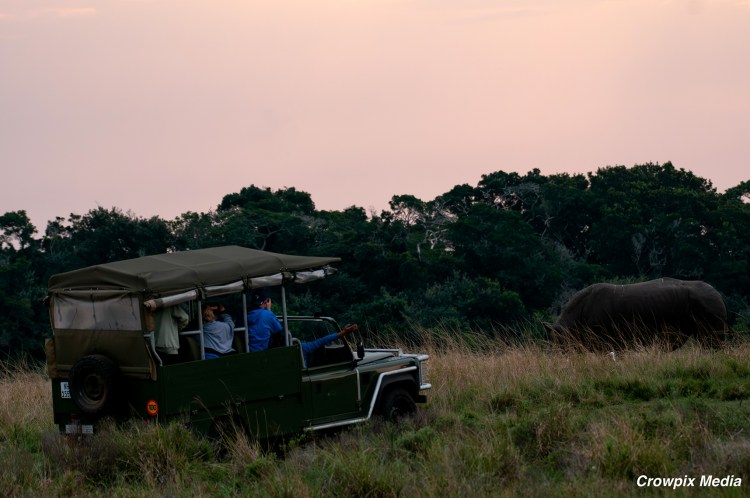
Sharing your knowledge and passion for wildlife photography through workshops and tours can be a fulfilling way to earn income while helping others develop their skills. Here are some tips for organising wildlife photography workshops and tours:
- Define your target audience: Determine the level of expertise, interests, and goals of your target audience to tailor your workshops and tours accordingly.
- Choose attractive locations: Select destinations that offer diverse wildlife species and stunning landscapes to provide participants with unique photography opportunities.
- Plan an itinerary: Design a detailed itinerary that includes photography sessions, educational talks, and hands-on learning experiences to provide a comprehensive learning environment.
- Offer personalised guidance: Provide individual attention and feedback to participants, helping them improve their skills and capture memorable photographs.
- Promote your workshops and tours: Use your online presence, social media platforms, and photography communities to reach potential participants.
Taking photography seminars is a terrific way to make money while photographing wildlife. Workshops for beginners and those with some photographic experience who want to enhance their skills can be held locally or internationally. These sessions can be in groups or one-on-one. People of various ages and levels of expertise can benefit from your services.
Various individual influencer photographers and photographic tour companies offer a wide range of photographic workshops, particularly for wildlife photography. Look for operators and photographers in your area that provide photographic tours and workshops, and get involved with such companies.
If you are entrepreneurial, building a following and offering your own wildlife photography workshops is possible. You can achieve your photography dreams and goals with hard work, perseverance, and dedication.
You Can Write Articles And Get Paid
If you have good writing skills, you can make money with wildlife photography by contacting magazines and creating articles using your images. Writing essays is a great way to promote oneself as a photographer, and if you’re skilled at photography and writing, you might be able to make enough money to support yourself.

There is an endless need for new content to fill the internet pages. Editors for online publications, blogs, newsletters, magazines, news media, and many online businesses require quality writing and photography as editorial content for their readers to enjoy.
Get involved by creating unique ideas to make excellent written and visual content for editors to publish. There are abundant wildlife photo story opportunities out there waiting for you. While rates may be low, with experience, the financial rewards will come.
Participating in Photography Contests and Exhibitions
Photography contests and exhibitions provide valuable opportunities to showcase your work, gain recognition, and connect with fellow photographers and industry professionals. Here are some tips for participating in photography contests and exhibitions:
- Research and choose reputable contests: Look for well-established contests with a strong reputation and a judging panel of respected photographers or industry experts.
- Read the rules and guidelines: Familiarise yourself with the contest’s rules, submission requirements, and deadlines to ensure your entries meet the criteria.
- Submit your best work: Select your most compelling and unique images that align with the contest’s theme or categories.
- Prepare your submissions: When submitting your photographs, consider details like image resolution, file formats, and naming conventions.
- Attend exhibitions and networking events: If your work is selected for an exhibition, try to attend the opening or any related events to network with other photographers and potential buyers.
Participating in photography contests and exhibitions can provide valuable exposure, feedback, and opportunities to further your career as a wildlife photographer.
You Can Get Commissioned to Take Wildlife Photographs
You can also directly offer your photography talents to magazines, newspapers, and websites for unique jobs. Some newspapers have on-call freelance photographers, while others prefer to hire one when a specific shot is required. Doing commissioned work can pay you more than selling stock photos!
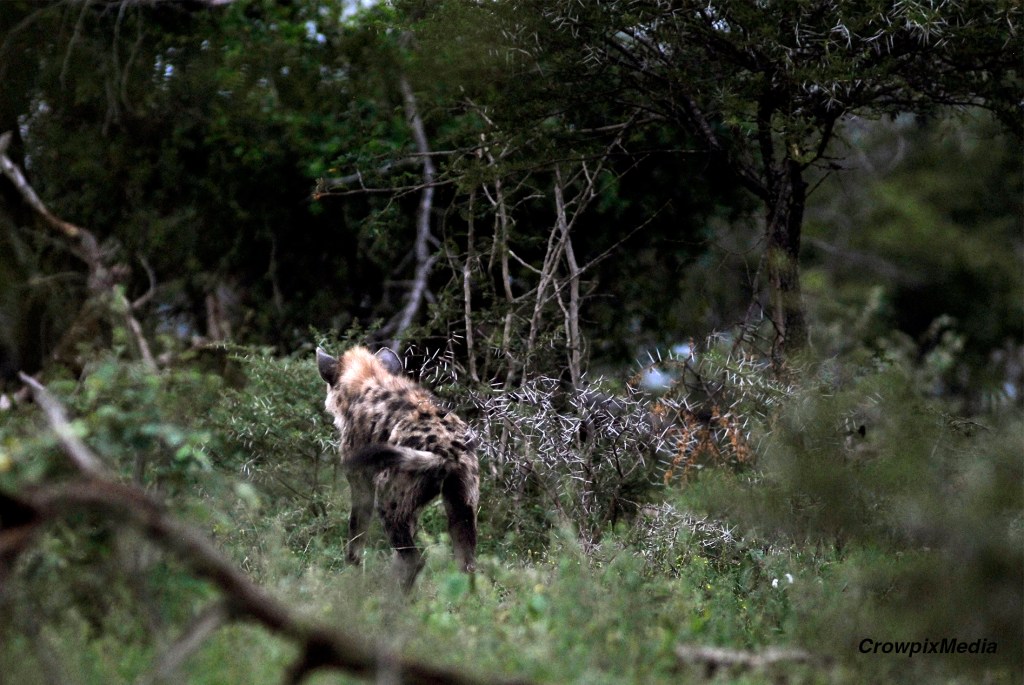
National Geographic photographers, for example, earn $600 per day while on assignment (plus travel expenses). The disadvantage is that you will face stiff competition for grants unless you are well-known in the sector (and could wait long before getting any). Advertising yourself and establishing contacts with editors who might offer you work is critical.
Collaborating with Brands and Organisations
Collaborating with brands and organisations can not only provide financial opportunities but also allow you to contribute to meaningful causes and conservation efforts. Here are some ways you can collaborate with brands and organisations as a wildlife photographer:
- Brand partnerships: Collaborate with brands that align with your values and vision to create content for their marketing campaigns or social media channels.
- NGO partnerships: Partner with non-profit organisations or conservation groups to document their work, raise awareness, or contribute to their publications.
- Sponsorship and ambassadorships: Seek sponsorships or ambassadorships from camera equipment manufacturers or outdoor brands to gain access to their products and support for your projects.
- Work on conservation projects: Offer your photography skills to assist in research projects, fieldwork, or conservation initiatives, providing visual documentation and storytelling.
Remember, choose collaborations that align with your interests and values as a wildlife photographer, and ensure that the partnerships are mutually beneficial.
A Summary of Ways to Monetise Your Wildlife Photography
In a nutshell, here are some ways you can monetise your wildlife photography:
- Selling prints: Print and sell your photographs as wall art, framed prints, or limited-edition collections.
- Stock photography: Submit your images to stock photography websites, where they can be licensed for commercial use.
- Editorial and publishing: Pitch your photographs to magazines, books, and online publications that feature wildlife content.
- Fine art exhibitions: Participate in art shows, galleries, and exhibitions to showcase and sell your prints.
- Offering photography workshops and tours: Share your knowledge and expertise by conducting photography workshops and leading wildlife photography tours.
- Collaborating with brands and organisations: Partner with brands, NGOs, or conservation organisations for promotional campaigns or projects.
- Licensing and assignments: License your images for advertisements, calendars, or other commercial projects. Consider taking on commissioned assignments as well.
Explore these different avenues to find the right mix of opportunities that align with your goals and interests as a wildlife photographer.
In Conclusion
Congratulations! You’ve reached the end of this complete guide to unleashing your inner photographer and making money through wildlife photography. We’ve covered everything from the importance of wildlife photography to essential gear, techniques, and various ways to monetise your passion.
Wildlife photography is a lifelong learning, exploration, and growth journey. Continuously hone your skills, stay curious, and embrace the challenges and rewards of capturing the wonders of the natural world. So grab your camera, step into the wild, and let your creativity soar as you embark on this exciting and fulfilling adventure in wildlife photography.

Copyright@Crowpixmedia. All Rights Reserved 2026.
 Crowpix Media