
In wildlife photography, little beats the thrill of capturing a stunning image of an animal in the wild. While it may require heaps of patience to get that outstanding wildlife shot, it is always worth the effort, and you never know when you may get lucky. If you are new to wildlife photography, this post will attempt to give you some helpful tips to consider for your next photographic safari.
Table of Contents
- Focus On Single Animals
- Look For Diagonals in Your Wildlife Photographs
- Use Leading Lines
- Shoot Wide to Crop Later
Focus On Single Animals
- Focusing on a single animal is an excellent way to start your wildlife photography journey. It lets you capture the animal’s personality and provides terrific opportunities for close-up shots. A telephoto lens will let you get closer without frightening the animals.
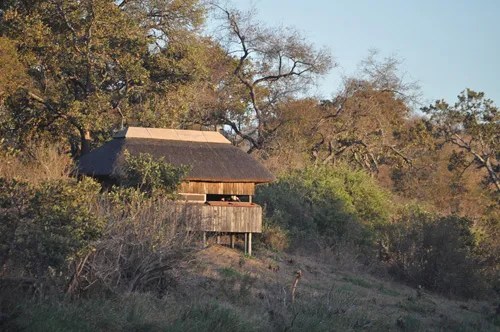
- You can also get closer by using a hide, photographing the animals in their natural habitat without interfering with their behaviour.
- A hide is excellent for spotting animals. Bring a cooler box with your favourite snack and enjoy the show.
Look For Diagonals in Your Wildlife Photographs
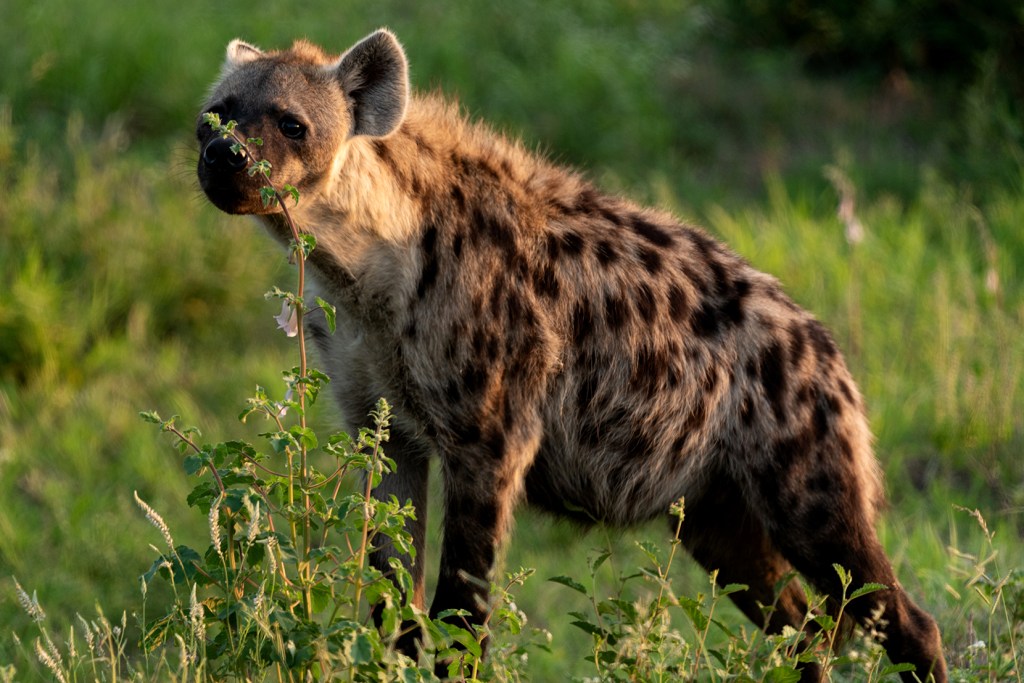
A diagonal is a line that slants in one direction in your image. In wildlife photography, diagonals can create compositions with more energy and emotional impact as you look through your viewfinder at the scene before you. Look for diagonals in the landscape or foreground, or an animal’s body posture.
Use Leading Lines
By leading lines, I mean features like roads, rivers, tree trunks, and branches that lead your eye from one part of the frame to another (often towards the main subject). Use leading lines to add depth and highlight what matters most in your composition. Leading lines also help guide viewers through an image—they tell a story of how someone might move through a landscape or experience it.
Shoot Wide to Crop Later
From my previous point about using diagonals and leading lines, I want to mention the importance of shooting wide (i.e., don’t zoom into a subject if you can get closer instead). You can crop when editing photos on your home computer screen—you’ll have more flexibility this way.
Use The Weather To Your Advantage
Photographing animals in all sorts of weather can add a lot of mood, interest, and drama to your photos. The secret is adapting to what you are given rather than improving lousy weather or waiting for ideal conditions. Bad weather is often far more interesting than good.
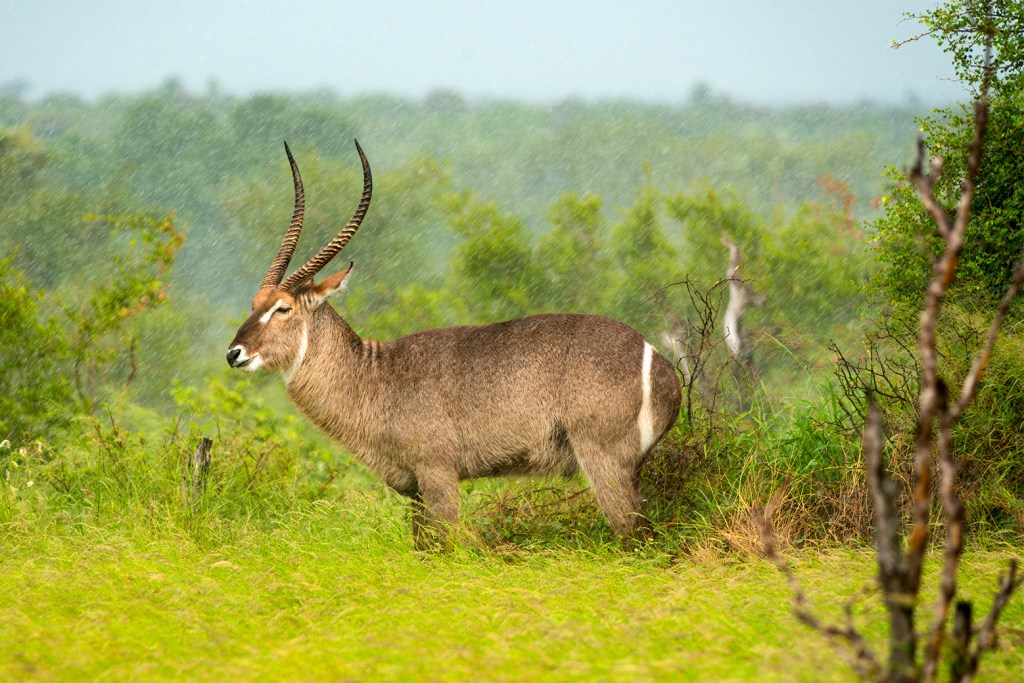
Shooting in the mist can be very dramatic. It isolates a subject from their background and adds an eerie quality if trees or grasses surround them. In heavy rain, you can use long exposures on your camera to smooth out the water movement, adding a dreamy quality to the scene. Snow is also particularly effective at isolating subjects to make them stand out.
Focus On The Eyes
The eyes are the windows to the soul, which is valid for wildlife photography. The eyes are central to your subject’s identity and shape the image as a whole. By drawing attention to your subject’s eyes, you can make an intimate portrait of an animal and give it a recognisable character.
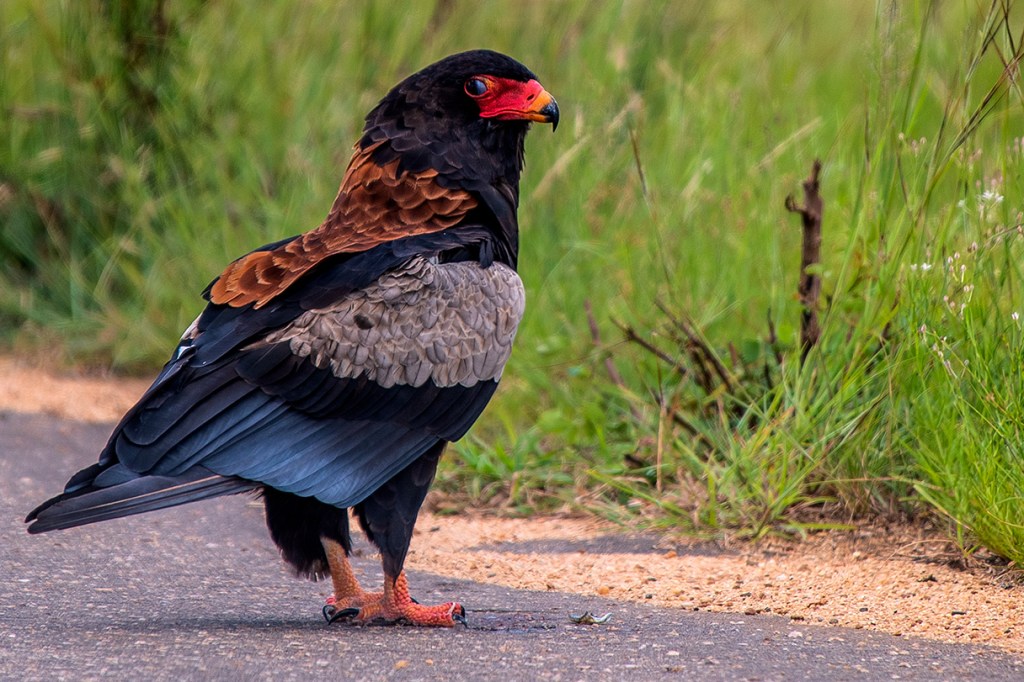
If you have a large telephoto lens and a very shallow depth of field, you can create images that are headshots of your subjects with everything else blurred out. The pupils should focus on maximum effect. Blurring out around the head will allow the viewer to focus on their eyes.
Shoot Wildlife In Black & White
Black-and-white photographs can often be more dramatic than colour and seem timeless. If you find that the scene in front of you is just a bit dull, try shooting it in black-and-white.
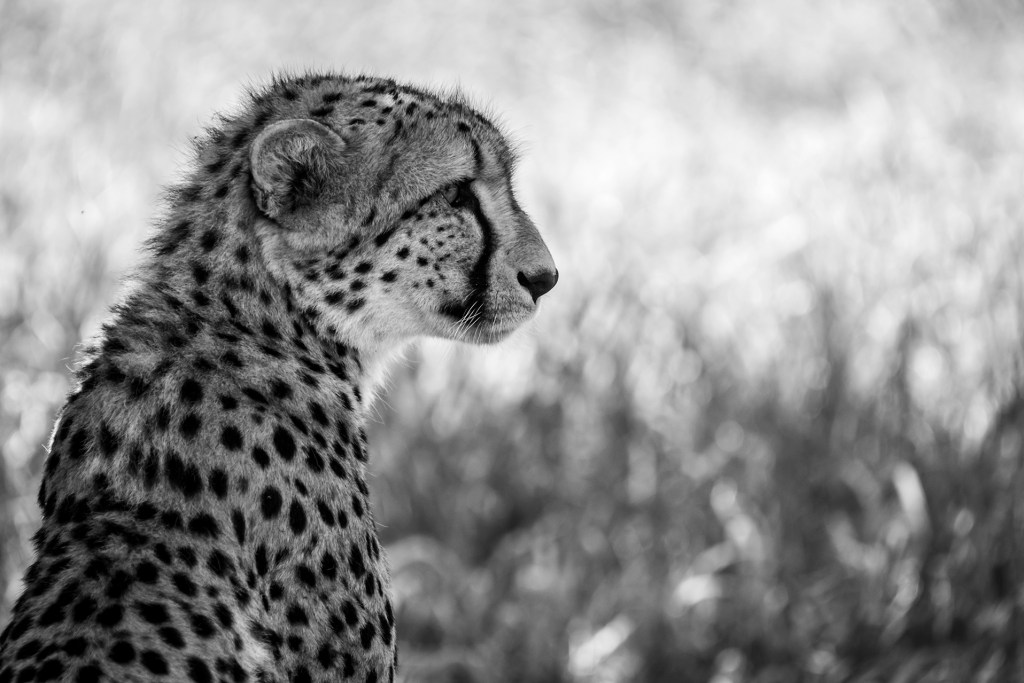
It will help the main subject stand out better from the surroundings and is also a great way to eliminate distracting colours in your composition.
In Conclusion
Wildlife photography is a lot more challenging than many people think. That’s why you need to make sure that you are trying to focus on the right things and always make sure that you note what matters the most. It helps and will make quite a difference for the whole experience in its own right.
Remain alert and attentive to the surroundings when in the bush. Big Five animals tend to appear out of nowhere. Learning all you can about the habits of the animals you may encounter on your safari is advisable. The more you know about the wildlife, the better your chances of getting that outstanding shot.
Most of all, be present and enjoy the experience, no matter what animals you are lucky enough to spot on the day of your safari adventure.

Copyright@Crowpixmedia. All Rights Reserved 2026.
 Crowpix Media
6 thoughts on “5 Excellent Ideas to Get You Started With Wildlife Photography”